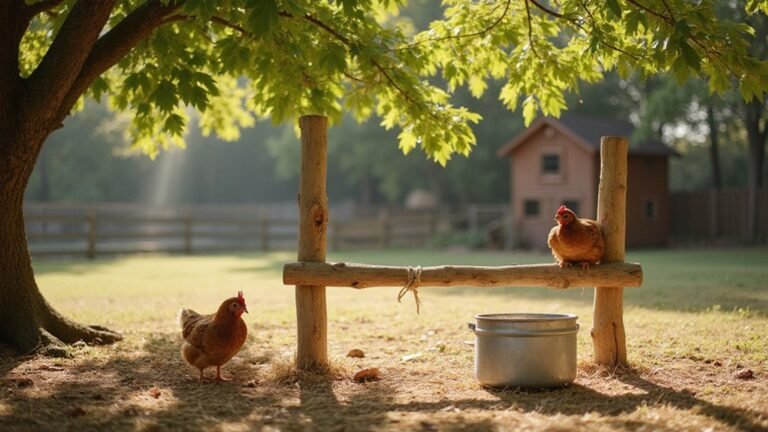
Copper Watering Can For Poultry Care
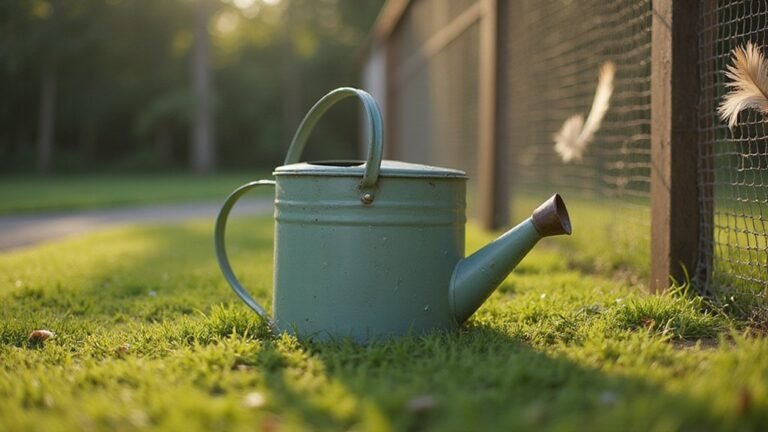
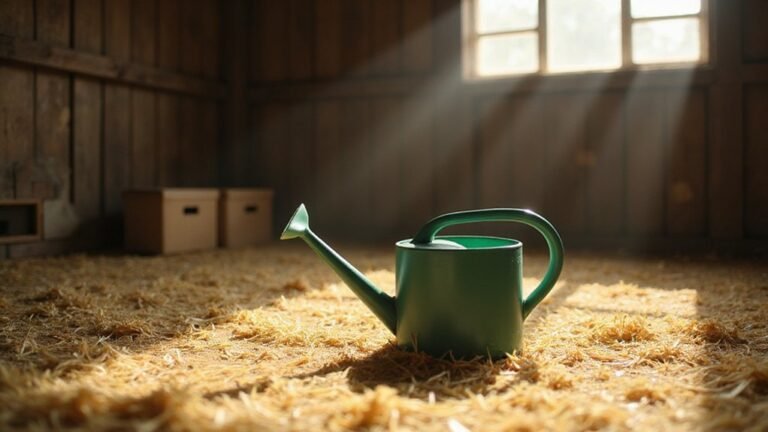
If you’re wondering how to keep your poultry’s drinking water healthy without relying on harsh chemicals, a copper watering can might be a good solution.
It naturally releases small amounts of copper ions that help control algae and bacteria like E. coli, supporting a healthier flock.
Keep reading to learn how to use it safely and effectively.
Why Use a Copper Watering Can for Your Poultry Flock?
Using a copper watering can for your poultry flock actively boosts their health and performance. Copper supplementation at 75–250 ppm promotes faster growth and better feed efficiency. This helps keep the water clean and prevents harmful bacteria like *E. coli* and *Salmonella* from thriving in their guts, reducing stress and disease risk. In crowded settings like battery cages, healthier birds are less aggressive and less likely to peck their feathers. Copper also enhances nutrient absorption, ensuring your flock gets more nutrition from each feed. Peak results usually occur around 217 ppm, making this a precise approach to optimize your flock’s productivity. Better gut health naturally leads to a calmer, more docile flock, creating a more harmonious and successful poultry environment. Additionally, the copper reduces mold and algae buildup in the waterer, keeping the water source cleaner for longer. For optimal results, selecting a coop design that supports easy cleaning and ventilation further enhances overall flock health. Choosing a nesting box designed for safety and ease of access can also improve the health of your breeding hens. For the underlying soil in your run, using a high-quality soil blend ensures proper drainage and supports the beneficial microbes that complement copper’s effects.
How Copper Ions Keep Chicken Drinking Water Clean?
Copper ions keep your chickens’ drinking water clean by disrupting the growth of algae and bacteria. At just 0.02 parts per million, copper ions prevent green scum from forming by interfering with algae’s ability to perform photosynthesis. They also attach to bacterial proteins, shutting down the metabolism of pathogens such as E. coli and Salmonella. This natural biocidal action works by penetrating cell walls, causing oxidative stress, and ultimately killing the microbes.
When you lower the pH of the water below 5.5 with vinegar, copper ions become even more effective at reducing biofilm formation on surfaces. They discourage the buildup of stagnation-related microbes, which helps keep water fresh longer. However, because copper ions are released gradually, it’s important to mix fresh diluted batches daily to prevent toxicity. Regular line flushing is also recommended to remove residue and maintain water quality. This approach offers a simple, chemical-free way to keep your flock’s drinking water clean and safe.
How to Set up a Copper Watering Can With Inserts or Coins
A copper watering can can be set up without any inserts or coins. Copper naturally releases ions when filled with water, so no additional objects are necessary. Using modern coins is not recommended because they often contain metals like zinc, nickel, or lead, which are toxic to poultry. These metals can leach into the water and pose health risks. To set up the can, simply place a clean, solid copper container on a stable and accessible base. No internal modifications or objects are required, making the setup straightforward and safe for your flock. The copper material also offers an aesthetic appeal that enhances the overall craftsmanship of the watering can.
What’s the Safe Copper Dosage for Ducks and Chickens?
The safe copper dosage for ducks and chickens is generally between 100 and 150 ppm in their diet. Maintaining this range helps support their health without risking toxicity. Exceeding 250 ppm can lead to copper poisoning, which may cause growth depression and damage to vital organs. Both ducks and chickens show signs of copper toxicity at similar upper limits, so it’s best not to surpass 300 ppm.
When adding copper to their drinking water, use 1 gram of copper sulfate per 3 to 5 liters. This treatment should last for only 5 to 7 days, followed by a 14-day break to prevent overload. Ensure they do not consume this continuously; always provide clean, fresh water separately. Good water filtration is essential for removing excess minerals and avoiding accidental overdose. For therapeutic purposes, acidifying the solution with vinegar enhances copper absorption without reaching harmful levels. Following these guidelines helps you avoid systemic damage while allowing your flock to benefit from copper.
How Copper-Treated Water Improves Gut Health and Digestion?
Copper-treated water enhances gut health by leveraging its antimicrobial properties. Copper’s ability to suppress harmful pathogens like *E. coli* and *Salmonella* in the digestive tract creates a cleaner environment for beneficial microbes such as *Lactobacillus* to flourish. This leads to increased microbial diversity in the ceca, which is essential for a resilient and balanced gut microbiome. As beneficial bacteria expand, they support improved intestinal structure, notably increasing villus height, which boosts nutrient absorption. You will also notice better copper absorption into the bloodstream, aiding digestion without hindering iron uptake. However, because copper’s antimicrobial effects are dose-dependent, maintaining precise levels is key. Excessive copper can disrupt microbial balance and cause toxicity, so following recommended dosages ensures optimal gut health and safe supplementation.
Copper Inserts vs. Stock Solutions: Which Method Is Best?
Copper inserts generally provide consistent, low-maintenance antimicrobial action, making them ideal for long-term use. They are simple to install—just place them in your waterer, and they will continuously release copper ions to help set up a steady level of gut health. This eliminates daily preparation, reduces the risk of errors, and saves labor, especially in larger flocks. For example, a healthy gut microbiome is supported by the deep litter method which similarly reduces bacterial load in the coop environment. Copper inserts maintain consistent performance without relying on complex electrical components found in some kitchen appliances.
However, upfront costs for copper inserts are higher, with the price per insert depending on size and material quality. Despite this initial expense, the fixed cost per bird remains predictable over time, which can simplify budgeting. Copper inserts are best when you want ongoing, background antimicrobial support without frequent intervention.
Stock solutions, by contrast, offer rapid adjustability for specific issues or outbreaks. You can increase or decrease copper levels quickly as needed, making them suitable for acute problems like sour crop or bacterial infections. The downside is that you must prepare these solutions daily, which involves time, effort, and careful measurement. Costs can also fluctuate based on copper prices and suppliers, making them less predictable.
Choose copper inserts if your goal is continuous, low-effort maintenance for overall gut health. Opt for stock solutions when immediate, adjustable treatment is necessary to respond to specific health challenges within your flock.
How a Copper Watering Can Boosts Egg Production and Feed Conversion
A copper watering can directly boosts egg production and feed conversion by providing a steady, low-level copper mineralization through continuous water filtration. This consistent copper supplementation enhances your hens’ performance, leading to an increase in egg weight and overall egg mass by approximately 4.5% to 12%. It also allows your flock to convert feed more efficiently, with improvements of about 12% in feed conversion rate when replacing antimicrobial growth promoters (AGPs) with just 16 mg of copper per kilogram of feed. Additionally, feed per dozen eggs can decrease by up to 15%, reducing costs. This method emphasizes reliable, clean copper delivery without the hassle of stock solutions or additives, maximizing egg output while minimizing feed expenses. For those new to preserving meat, a food dehydrator offers a simple alternative for drying turkey jerky without the need for a pressure canner. For homesteaders, the same pressure canner used to safely preserve venison in a pressure canner can also be repurposed for sterilizing watering equipment. Copper’s antimicrobial action helps prevent bacterial buildup and biofilm formation in the water, which directly supports better animal health and reduces infection risks. Using hardware cloth as a protective barrier around your watering station can further reduce contamination from soil and pests.
Summer Algae Control With a Copper Watering Can
Copper watering cans release copper ions at safe, effective levels—typically between 0.1 and 0.3 ppm—to inhibit algae growth without harming your poultry. Applying copper sulfate at about 0.5 ppm is effective for water with average alkalinity; however, avoid adding copper if your water’s alkalinity drops below 20 ppm. To maximize algae control, apply the copper can between 10:00 and 14:00 when sunlight and warmth are strongest, promoting better copper ion release and algae suppression. This method also complements the watering schedule often used in raised bed gardening where regular, timed irrigation supports healthy plant growth. This simple, ongoing treatment reduces your reliance on heavy filtration systems, as the copper continuously works while the can remains in the water tank. For homesteaders, this approach aligns with the practical guidance recommended by expert product reviews for durable, low-maintenance tools. Regular, consistent use offers a natural solution to keep algae at bay throughout the season. To prevent eye irritation from splashing water, homesteaders can also apply a step-by-step guide for reducing excessive tearing while working.
Three Dosage Mistakes That Cause Copper Poisoning in Poultry
Exceeding 150 ppm of copper in poultry feed is a critical mistake that can cause severe toxicity. Sustained intake above 300 ppm damages the duodenal villi, reducing nutrient absorption and feed intake. Levels surpassing 2,000 ppm can lead to acute toxicosis, characterized by lethargy and paralysis. It is essential to follow strict dosing guidelines, as broilers exhibit copper toxicity at just 250 mg/kg. Between 250 and 300 ppm, you may see growth retardation and muscle atrophy. Ignoring species-specific thresholds is another common error; while adult cattle tolerate up to 800 mg/kg, poultry require much lower levels. The NRC recommends a baseline of 8 ppm, with growth-promoting doses limited to 150 ppm. Additionally, avoid cumulative copper buildup from contaminated feed equipment or poultry litter. Residues from swine feed or other sources can spike copper levels beyond safe limits, making it crucial to monitor and manage all sources of contamination. A copper watering can or similar galvanized equipment can leach toxic amounts of copper into drinking water if not properly maintained. Choosing the best insulation for your chicken coop is also important to maintain stable temperatures that reduce stress and support overall poultry health.
When to Switch From Copper to Apple Cider Vinegar for Algae Control
You should switch from copper to apple cider vinegar when algae begins to resurface or after about six months of copper use. Copper’s effectiveness diminishes once ion levels drop below 0.5 ppm, so replacing it with vinegar ensures continued algae prevention. Vinegar’s consistent acidity can reduce algae growth by 80 to 90 percent, compared to copper’s 60 to 80 percent effectiveness. To apply, add one tablespoon of vinegar per gallon of water weekly. This method maintains algae control without relying on metal ions and complements water filtration, helping keep troughs cleaner. Additionally, using a copper watering can for poultry care is unwise if the tank is already darkened, since combining these methods can limit light penetration and further hinder algae growth. For home canners, a non-pressurized method involves processing jars in boiling water for sufficient heat to preserve low-acid foods, but this is not recommended for green beans without a pressure canner due to botulism risk. Adding a rat-proof feeder design can also reduce contamination risks by keeping feed and water sources separate from rodents.
Proactively switching to vinegar before visible algae blooms appear prevents outbreaks. For extra coverage, combine vinegar with fresh copper pieces, but avoid metal containers as vinegar reacts with them. Always monitor your birds because excessive acidity can harm them. Stick to the weekly dosing schedule to achieve the best results in preventing algae buildup.