Raised Garden Bed vs. Ground: Which Is Better?
Deciding between a raised bed or planting directly in the ground can impact your gardening success.
Raised beds warm up faster and help control weeds, making them great for shorter growing seasons or poor soil.
In-ground gardening, on the other hand, tends to cost less upfront and is better for large plots.
The best choice depends on your space, climate, and goals, and this article will guide you through the details.
Raised Beds vs. In-Ground: The Core Differences Explained
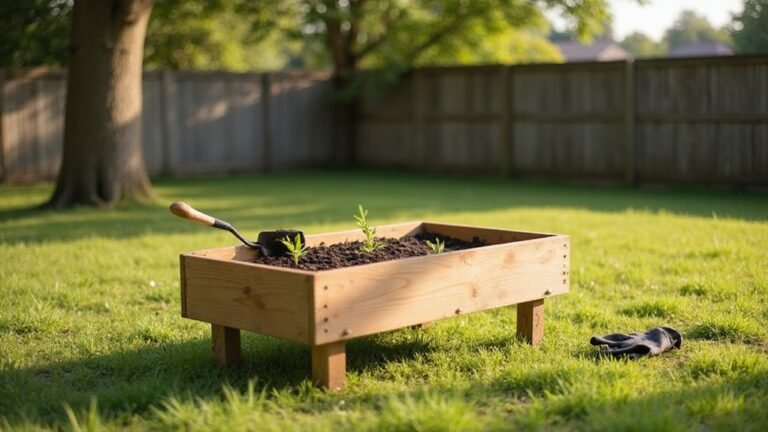
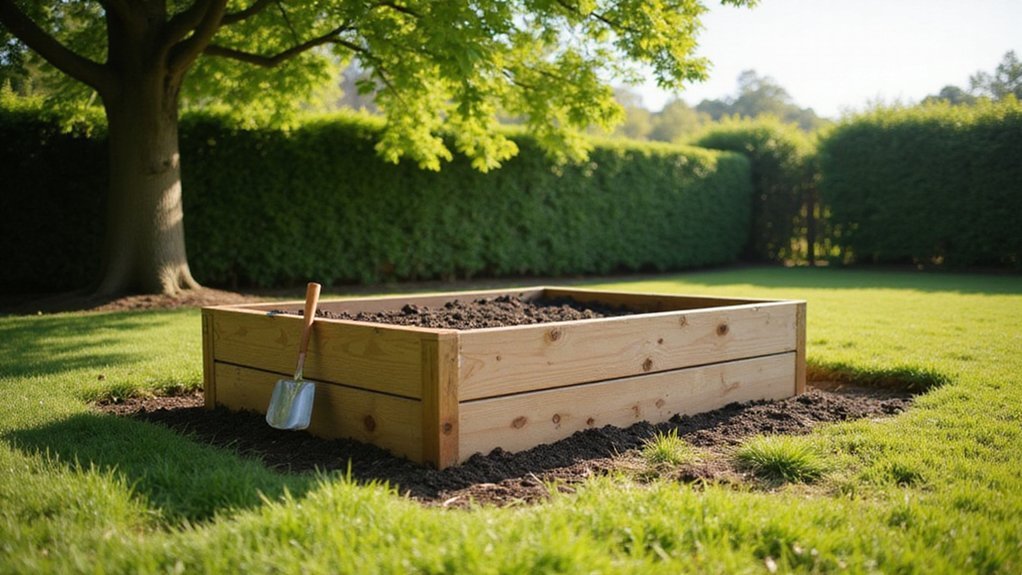
Raised beds offer a significant advantage in controlling soil health. When you construct a raised bed, you can fill it with a custom soil mixture that is light, nutrient-rich, and has an ideal texture for plant roots. This setup eliminates common issues caused by native soils like heavy clay or compacted sand, allowing roots to grow deep and wide without resistance. Because the soil in raised beds stays in place and is less prone to leaching, nutrients remain available longer, reducing the need for frequent amendments. In contrast, in-ground gardens require working with existing soil, which often has poor drainage or lacks nutrients, forcing you to amend it repeatedly to support healthy plant growth. However, raised beds require increased watering during hot, dry months compared to in-ground beds. A DIY build guide can help you select the proper materials and dimensions to optimize water retention. For building a durable raised bed, cedar wood is a popular choice due to its natural rot resistance. Placing your raised bed in a partially shaded area can also help reduce water evaporation during peak heat.
Why Raised Beds Win for Small Spaces and Early Harvests
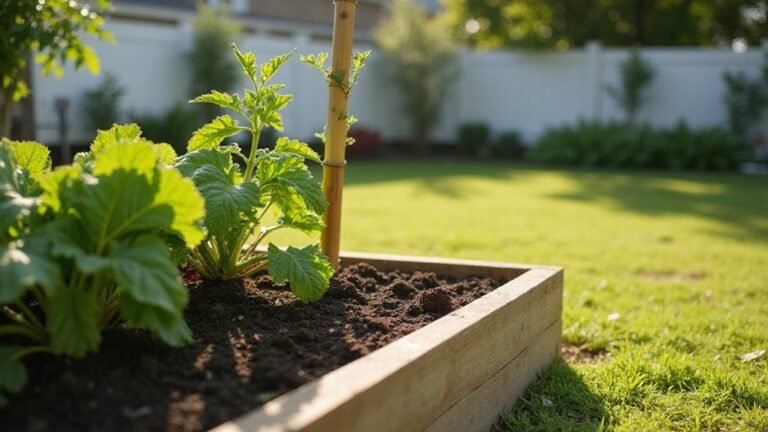
Raised beds are ideal for small spaces and early harvests due to their controlled environment and efficient use of space. With a height of about 12 to 24 inches, they provide loose, nutrient-rich soil that promotes deep root growth, leading to healthier plants. Because the soil is contained, you avoid compacting it through foot traffic, which keeps it airy and accessible for roots to spread. The elevated position also ensures excellent drainage, reducing the risk of waterlogged roots—especially important after heavy rains. Additionally, raised beds warm up faster in spring, allowing you to plant two to four weeks earlier than traditional ground gardens. This earlier planting translates directly to quicker germination and sooner harvests. You’ll notice seeds sprout quickly, giving you a head start on mature crops. The confined space means compost and amendments are used more efficiently, focusing resources where they’re needed most rather than on pathways or unused areas. Similarly, best bird nesting boxes are designed to create a controlled and efficient environment that protects avian guests from predators and harsh weather. Just as the height of roosting bars should be carefully chosen for chicken comfort and safety, the height of a raised bed protects roots from foot traffic while maximizing soil warmth.
When In-Ground Gardening Makes More Sense for Your Budget
In-ground gardening is the most budget-friendly option when your plot is large or your finances are tight. For a 100-square-foot garden, the setup costs are minimal—just a shovel and some compost—since you’re working directly with your existing soil. You avoid the expenses of buying raised bed frames or topsoil, making it an economical choice. Scaling up to about 500 square feet may cost between $250 and $1,000, depending on what amendments and tools you purchase, which is still significantly less than the thousands often needed for raised beds. Your investment typically pays off within the first season.
Soil compatibility is another advantage. You’re working with your native soil rather than creating or importing new soil, which can add significant costs. Amending your soil requires only small yearly expenses for compost or other organic amendments. Additionally, since the ground naturally retains moisture better, your water bills tend to stay lower. For gardens larger than 100 square feet or for budgets under $300, in-ground gardening maximizes food production per dollar invested. This approach allows you to build soil fertility over time using free organic mulches like yard scraps and leaves from your property, which reduces ongoing expenses.
Pest and Weed Control: Raised Beds vs. In-Ground Gardening
Raised beds provide superior pest and weed control compared to in-ground gardening. Installing barrier methods such as copper mesh tape around the edges helps prevent slugs and snails from reaching plants. Floating row covers can effectively exclude flying insects that may otherwise lay eggs or cause damage. The vertical sides of a raised bed also act as a physical barrier, deterring soft-bodied pests from crawling into plant zones, while burying hardware cloth underneath prevents burrowing animals like voles or moles from entering. This is similar to how a brooder box protects young chicks from predators and environmental threats. For optimal protection, selecting a garden bed cover designed to exclude pests can further enhance these barrier methods.
Weed management is significantly easier in raised beds because you are filling them with controlled soil mixes, which eliminates many weed seeds present in native soil. The loose, fluffy texture of the soil makes pulling stray weeds quicker and less labor-intensive. Using good composting practices to minimize weed seed presence and applying layers of newspaper or mulch naturally suppresses weed germination. For a Halloween-themed garden, constructing a chicken wire ghost can serve as both a decorative scarecrow and a physical barrier to discourage larger pests. Conversely, in-ground gardens require vigilant ongoing effort to control aggressive native weeds and soil-borne pests, as the native soil constantly introduces new weed seeds and pests, demanding routine scouting—like checking leaves’ undersides daily—to catch and address problems early.
Watering and Drainage in Raised Beds vs. In-Ground Gardens
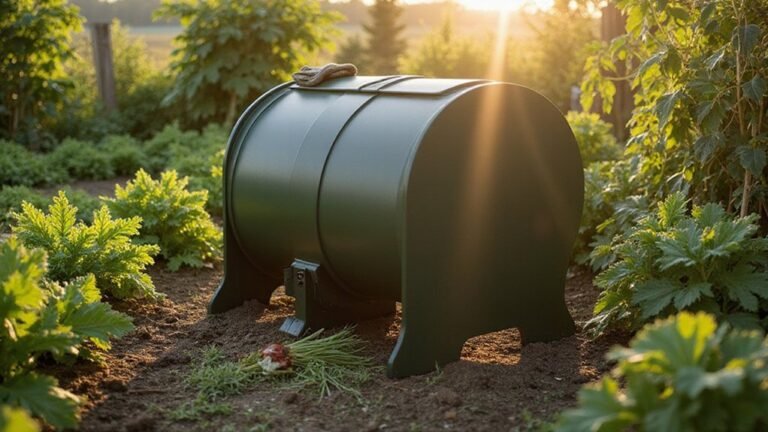
Because raised beds dry out 40–60% faster than in-ground plots, you need to water them more frequently—often twice as often—especially in hot weather. A standard 4 by 8-foot bed requires about 20 gallons of water for a 1-inch deep soak, aiming for 6–8 inches of moisture depth. Drip irrigation or soaker hoses are ideal because they deliver water slowly and efficiently, minimizing runoff. Installing subsurface irrigation can keep moisture at root level, reducing evaporation losses. Using a compost tumbler speeds up organic waste recycling, which can then be mixed into raised bed soil to improve moisture retention. Building your own incubator from the guide demonstrates how precise temperature control is similarly critical for maintaining healthy conditions. Choosing the best vacuum sealer bags can help store excess harvests from either garden type with maximum freshness.
In contrast, in-ground gardens tend to retain moisture longer due to the capillary connection to groundwater sources. However, heavy clay soil can cause drainage problems and soil compaction, which hinder root growth. Raised beds excel in this area because their elevated structure prevents waterlogging and promotes better air circulation around roots. This setup ensures optimal conditions for healthy root development, helping you avoid problems like root rot.
Remember to water deeply and check soil moisture regularly with the finger test before each watering session. Proper watering practices are key to maintaining healthy plants whether you have a raised bed or in-ground garden.
Yield Comparison: Raised Beds vs. In-Ground Gardens
Raised beds produce 2 to 4 times more food per square foot than in-ground row gardens. This efficiency stems from controlled soil nutrients, minimized weed competition, and warmer spring soil, which promotes faster growth. As a result, you can harvest some crops a week or two earlier, extending your growing season. Homesteaders often pair efficient raised beds with a dedicated chicken run to naturally control pests and fertilize the soil between planting cycles. However, for deep-rooted crops such as corn or watermelons, in-ground gardens often perform better. Their unrestricted root depth allows them to access natural moisture and nutrients more easily, sometimes outperforming raised beds for these specific plants. Additionally, in-ground gardens tend to retain heat longer in the fall, giving you a slightly longer growing window late in the season. Ultimately, choosing between raised beds and in-ground gardens depends on your crop choices and available space. For best results, gardeners can select a premixed raised bed soil that balances drainage and nutrients.
How to Choose Based on Climate and Needs
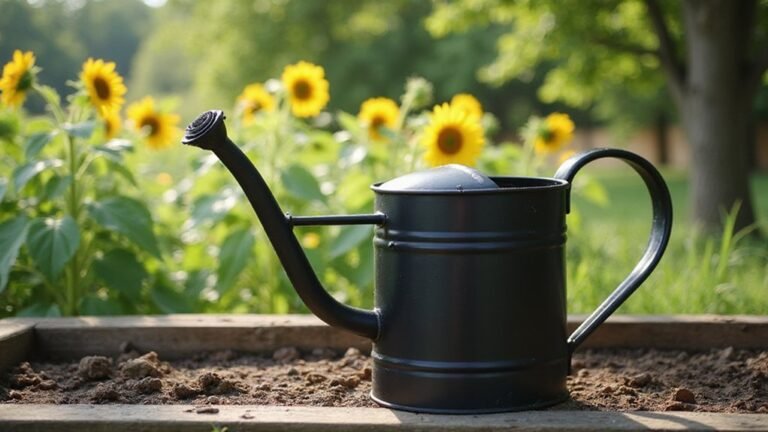
Raised beds are ideal for cold and wet climates with short growing seasons because they warm up faster and drain better. You can extend your garden season up to 90% of the year compared to just 65–70% in-ground beds. This is achieved by mixing about 60% compost with topsoil, providing quick fertility and improved soil conditions. In dry regions, in-ground beds hold 20–30% more moisture, making them more suitable if drought tolerance is a priority. For deep-rooted crops like carrots or tomatoes, in-ground beds offer the full depth needed for unrestricted growth. If you have heavy clay soil, raised beds prevent waterlogging and improve aeration. Conversely, sandy soils drain fast, so in-ground beds work well there. For sloped land, terrace or angle your beds to prevent runoff and soil erosion. Matching your garden setup to your regional rain patterns, soil texture, and crop requirements ensures healthier plants and more productive gardening. For preserving your harvest, selecting the right mason jars for canning ensures proper sealing and long-term food storage. Choosing the right bed depth for your raised beds can further boost root development and overall plant health. A galvanized steel watering can is a durable choice for delivering water evenly to both raised beds and in-ground plots, as metal construction resists rust and lasts for many seasons.