Chicken Wire vs Hardware Cloth: Which Is Better?
Worried about keeping predators out of your chicken coop? The right choice of fencing can make all the difference.
Hardware cloth is generally more reliable and longer-lasting than traditional chicken wire, but knowing exactly why can be confusing.
Here’s a clear look at which option will truly protect your flock and save you money in the long run.
Why Chicken Wire Is Popular But Dangerous for Predator Protection
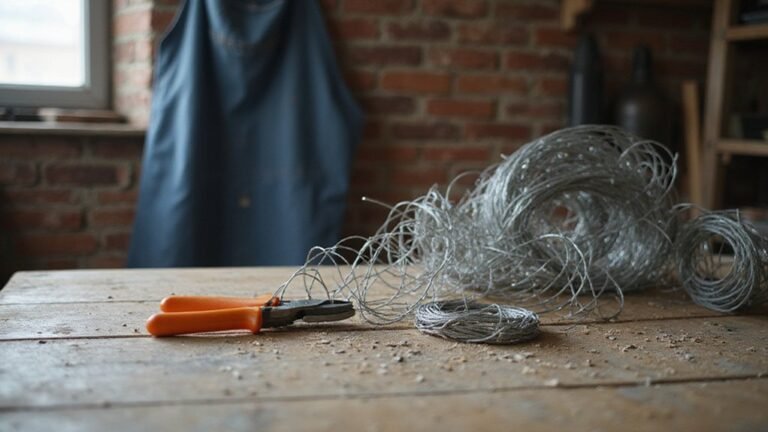
Chicken wire is not a reliable choice for predator protection because it is too flimsy. Its thin, lightweight wires tear easily under a raccoon’s claws, making it easy for predators to break through. The large mesh openings also allow weasels, snakes, and other small predators to slip right inside. Additionally, chickens can poke their heads through the holes and potentially lose them, while chicks can get stuck and injured trying to evade predators. For a raised bed, choosing the best soil is equally important to ensure plant health and structural stability. Buried sections of chicken wire are ineffective against diggers too—they simply push through or dig underneath. Although it might seem budget-friendly, constantly repairing or replacing chicken wire often results in losing flock members. Investing in quality mason glass jars for storing feed and supplies provides a more secure and durable seal. It provides an illusion of safety but offers little real protection against predators. For a durable alternative, consider using rot-resistant wood for the garden bed frame to support a stronger barrier.
What Predators Can Hardware Cloth Stop That Chicken Wire Can’t?
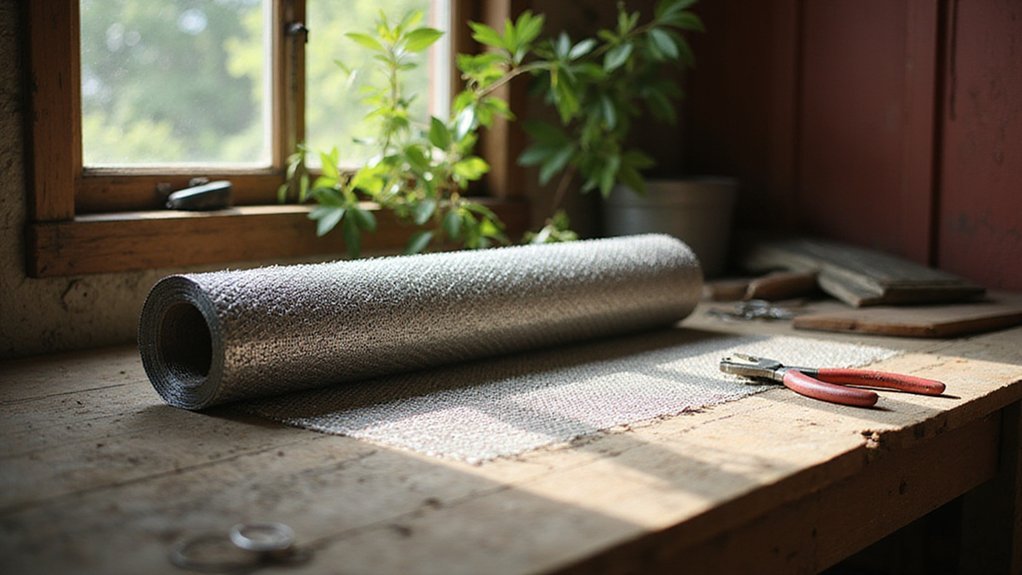
Hardware cloth can stop predators that chicken wire cannot. Raccoons, for example, can tear through chicken wire easily, but hardware cloth’s durable metal fabric resists their claws and teeth, preventing entry. Weasels and snakes slip through chicken wire’s large 1-inch hexagonal openings, whereas 1/4-inch hardware cloth’s tight grid completely blocks them. Dogs and foxes can rip thin chicken wire apart, while 19-gauge welded mesh hardware cloth can withstand their biting force. Mice and rats exploit gaps in chicken wire, but hardware cloth’s small openings keep these pests out. Hawks may break weak chicken wire covers, but hardware cloth’s rigid, sturdy structure prevents their entry. A quality vacuum sealer similarly provides reliable airtight sealing to protect food from pests and spoilage. Overall, hardware cloth’s strength and small openings make it effective against predators that chicken wire simply cannot contain. For raised beds, selecting the proper depth, such as 12 to 18 inches, ensures roots have enough space and prevents burrowing pests from accessing plants from below. When compared to other materials, hardware cloth’s durability makes it a top recommendation for long-term coop protection, as noted in reviews on chicken coop insulation.
Which Option Lasts Longer and Saves More Money Over Time?
Hardware cloth lasts five to ten years, significantly longer than chicken wire’s one to two-year lifespan. Although chicken wire costs less initially, it is prone to rust, tears, and predator damage, requiring frequent replacements. This constant patching and full replacement incur ongoing labor costs. In contrast, hardware cloth is made from welded, thick-gauge steel that resists rust and damage, reducing maintenance needs. Over two or three years, the total cost of owning hardware cloth drops below that of chicken wire. Homesteaders seeking a durable watering can should consider the same principle of long-term investment over cheap materials. By investing in hardware cloth upfront, you save money over time and better protect your flock from predators that can chew through weaker fencing. For homesteaders, welded steel mesh provides superior durability against weather and wear. For added convenience, automatic doors for chicken coops can further automate daily care and improve security.
What Size Hardware Cloth You Actually Need for a Safe Enclosure
For maximum security against predators like weasels, rats, and small snakes, use 1/4-inch hardware cloth, particularly for the bottom 18 inches of your run walls. This small mesh size prevents these tiny threats from slipping through. For larger pests such as raccoons and adult rats, a 1/2-inch mesh is recommended, providing good airflow while still blocking their entry. Unlike a dehydrator vs. freeze dryer comparison on a homestead, where both tools preserve food differently, hardware cloth focuses solely on physical barrier security, not processing. When choosing your material, 19-gauge galvanized-after-welding wire offers the best rust resistance and durability, ensuring your enclosure stays secure over time. During installation, always overlap panels by at least 2 inches, secure them with hog rings every 3 to 4 inches, and bury the bottom edge 6 to 12 inches deep to deter digging predators. Folding extra mesh up the interior sides creates a tight, gap-free seal for added protection. This technique works especially well because hardware cloth can be cut into various sizes to protect roots, bulbs, and rhizomes from tunneling animals. For selecting the right waterer in a coop, a reviewer should also check top waterers for chickens to ensure the setup matches your enclosure’s needs. Before installing, consider how wood duck nesting boxes can integrate with nearby fencing for a complete predator management plan.
Why Hardware Cloth Lets You Sleep at Night and Chicken Wire Won’t
Hardware cloth provides much greater security than chicken wire because of its sturdy material and construction. While chicken wire is easily twisted, torn, and prone to rust, hardware cloth features welded, rigid grids that resist bending and peeling under raccoon claws or other predator attacks. Its galvanized finish prevents rust for years, ensuring long-term durability. Tiny 1/2-inch mesh holes are small enough to prevent weasels, rats, and even snakes from squeezing through, giving you peace of mind. You won’t need to stay awake worried about predators tearing gaps or crushing weak strands. However, even the best coop protection must include a quality compost bin to manage waste efficiently and reduce odor. Additionally, choosing a coop with easy access doors simplifies daily cleaning and egg collection. Although hardware cloth costs more upfront, it’s a worthwhile investment because it eliminates the need for frequent replacements or repairs. Over time, relying solely on chicken wire can lead to higher costs and increased risk of flock loss. With hardware cloth, you can secure your coop thoroughly and sleep soundly, knowing that cheap wire won’t fail you at 2 AM. For superior coop protection, top bedding options provide additional comfort and cleanliness for your flock.