What to Plant in a Raised Bed Garden
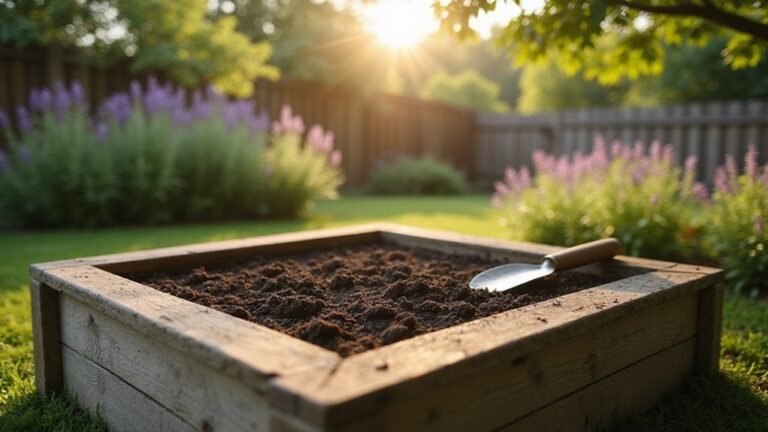
Wondering what to plant in your raised bed garden? The key is matching your plants to the bed’s depth.
Shallow beds of 6 to 8 inches are perfect for quick-growing crops like radishes and kale, which can be harvested in under 30 days.
Deeper beds of 12 to 18 inches give carrots, tomatoes, and peppers the loose soil they need to flourish.
Keep reading to discover how to optimize your planting for the best yield.
The Real Reason Raised Bed Depth Determines Your Harvest
The optimal raised bed depth depends on the crop’s root requirements, but generally, 12 to 18 inches is ideal for most vegetables. For shallow-rooted plants like leafy greens, an 8-inch deep bed might suffice, but it limits your options and yields. Deeper beds accommodate crops like beans and cucumbers, which have longer roots, leading to larger harvests. Deeper soil also acts as a climate buffer, protecting roots from extreme heat and temperature fluctuations that can damage plant health in shallow beds. Additionally, selecting the best cover for your raised bed can help buffer temperature extremes and protect shallow-rooted crops. For consistent temperatures, adding a solar heater helps maintain stable conditions for root development. Address these issues by loosening or amending the soil underneath the bed.
If you want to grow deep-rooted vegetables, avoid beds shallower than 12 inches. Ensure the native soil below isn’t compacted or hardpan clay, as this can block root growth. Poor drainage also restricts root expansion and reduces overall plant health. To further boost root space, consider adding a larger coop to your garden setup for housing protective poultry. Matching the depth to each crop’s root system maximizes growth potential and harvest size. Roots need space to access nutrients and water effectively. Going deeper than necessary offers diminishing returns unless you’re planting particularly deep-rooted plants, and you can handle the extra effort of preparing and maintaining a thicker bed.
6 Shallow-Bed Vegetables Ready to Harvest in 30 Days
Radishes are ready to harvest in 20 to 30 days, making them one of the quickest vegetables to grow in a shallow bed. They require only about 6 inches of soil, which makes them ideal for small or low-maintenance beds. To ensure a continuous harvest, plant radishes every 7 to 10 days. This staggered planting keeps your supply coming throughout the growing season. Radishes grow quickly and are sensitive to hot weather, so they thrive in cooler conditions. Keep soil moist and consider thin plants if they become crowded to avoid misshapen roots. For gardeners applying similar careful spacing, wood duck nesting boxes offer structured habitats that can boost local waterfowl populations. Proper ventilation options can similarly improve airflow in enclosed garden structures, reducing humidity and mold growth. Unlike radishes, kale can be planted once and then produce continuous harvests for months by simply cutting outer leaves. A hardware cloth can be used to protect these fast-growing crops from garden pests.
Deep-Root Crops That Require 12–18 Inches of Soil
Deep-root crops like carrots, beets, and turnips require raised beds with 12 to 18 inches of loose, stone-free soil to grow properly. The height of your bed matters; aim for 14 to 16 inches for carrots and beets, or up to 18 inches for parsnips and turnips. This depth provides enough space for roots to develop straight and smooth without restrictions. Using a Bloem Easy Pour watering can ensures consistent moisture without soil compaction, promoting straight root growth. Using rot-resistant wood like cedar or redwood ensures your raised bed structure lasts for years without leaching harmful chemicals into the soil. Use soil layering techniques to create an ideal growing medium. Mix 40% peat or coco coir, 30% perlite, 20% vermiculite, and 10% compost. This blend ensures excellent drainage while retaining nutrients, which is crucial for healthy root development. Choose varieties such as Nantes carrots or Chantenay beets to promote straight growth and minimize deformities. Harvest carrots after 60 to 75 days and beets at 50 to 60 days. Use a hand trowel to gently lift the roots, avoiding damage to tender vegetables. It’s best to limit watering just before harvest to prevent splitting and ensure crisp roots. Adding worms to your compost can further enrich the soil with nutrients for these deep-root crops.
Top Fruiting Vegetables for Raised Beds in Full Sun
Top fruiting vegetables like tomatoes, peppers, and squash require at least six to eight hours of direct sunlight daily. Position your raised bed in the sunniest part of your yard for optimal growth. Choose bush-type varieties such as Sprite tomatoes or Mini Sweet peppers to maximize space efficiency. For squash, consider planting compact types like Bush Buttercup. Heavy fruiting demands rich soil; amend it thoroughly with over 25% organic matter to support healthy fruit development. Before planting, warm your soil to around 70°F, as raised beds tend to heat up faster than ground soil, providing a quicker start to your crops. Implement vertical gardening techniques, such as trellising for pole beans or indeterminate tomatoes, to improve air circulation. Enhanced airflow reduces humidity-related diseases by approximately 50%. Water these vegetables 20 to 30 percent more frequently in full sun, and apply mulch to minimize evaporation and maintain consistent moisture levels. Avoid planting near potatoes or peppers, as they share pests and diseases that can affect your fruiting plants. For frequent watering, choose a biggest watering can to save time and reduce trips to the water source. Storing harvested vegetables in clean glass jars helps maintain their crispness and prevents spoilage when sealed properly. If you plan to preserve excess produce by making dried snacks, a food dehydrator can efficiently remove moisture while retaining nutrients and flavor.
Leafy Greens and Herbs for Raised Beds: Harvest in 30 Days
Growing leafy greens and herbs that mature in 30 days or less is ideal for quick harvests in raised beds. Arugula can be sown ¼ inch deep and will give you zesty young leaves in about 25 days. Spinach, such as ‘Tyee’, should be planted ½ inch deep and can be harvested in less than a month. Leaf lettuce benefits from well-drained soil and can be harvested as baby greens without forming a head. Mustard greens are ready between 20 to 30 days and can be picked young for a milder flavor. For herbs, basil germinates rapidly and produces baby leaves in 20 to 30 days under full sun. Cilantro prefers cooler weather and matures in 25 to 30 days. Using vertical gardening techniques can help maximize space, while incorporating compost improves soil nutrients. Placing the raised bed near a sturdy rain barrel stand allows for easy access to collected water without taking up garden space. For optimal care of your tools, consider that a copper watering can offers durability and resistance to algae buildup. To maintain a steady supply, plant successive rounds every two to three weeks. For those preserving their harvest, using best ball lids ensures airtight storage in mason jars.
Companion Flowers That Improve Vegetable Health and Yield
Adding flowers to your raised bed garden provides numerous benefits for your vegetables. They act as pollinator attractants, drawing in bees and butterflies with blooms like borage and cosmos, which directly increase fruit set. Additionally, these flowers serve as pest repellents; for example, borage deters tomato hornworms and marigolds release thiophene, reducing nematode damage by up to 90 percent. Nasturtiums act as trap crops, luring aphids away from kale and cucumbers. Lavender also plays a dual role by repelling moths and attracting beneficial insects. Placing these flowers among your vegetables creates a diverse environment that naturally controls pests and enhances pollination without chemical sprays, leading to healthier, higher-yielding vegetables. For a thriving flock, raising healthy vegetables nearby supplements a diet that keeps Silkies comfortable in their coop environment. Watering these plants with a rose attachment ensures gentle, targeted moisture that protects delicate blooms and roots. Selecting a quality wheelbarrow with sturdy handles makes transporting soil and compost much easier for maintaining your garden beds.
Smart Plant Pairings That Double Your Small-Space Harvest
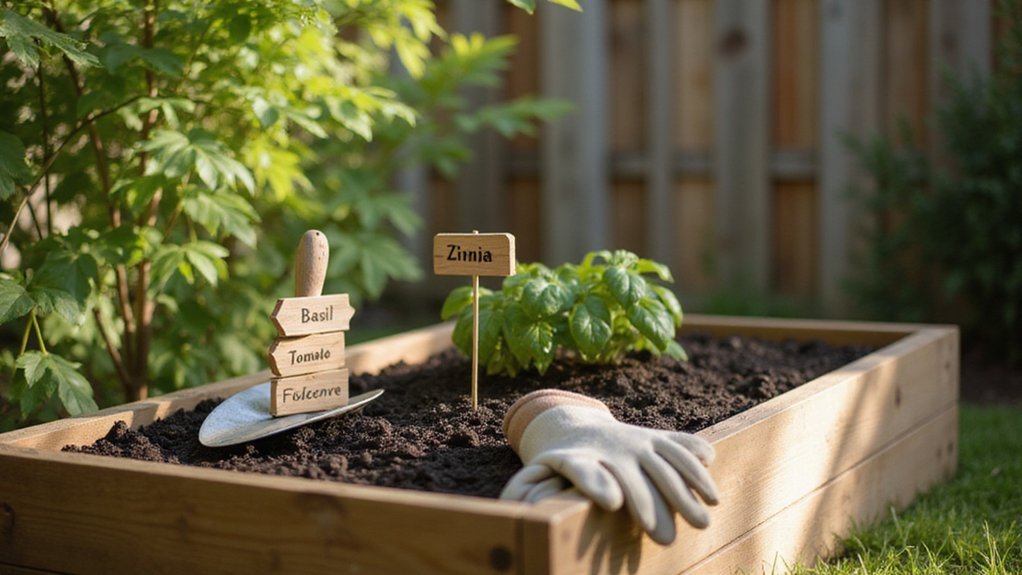
Pairing basil with tomatoes can increase your harvest’s total value by enhancing flavor and boosting fruit yield by around 27%. Basil’s scent masks tomato aphids by 68%, reducing pest pressure naturally. This is a prime example of effective companion planting, where two plants benefit each other through natural defenses and improved produce. Growing these together not only protects your tomatoes but also maximizes your small space’s potential, turning a simple bed into a productive duo.