What Is a Pressure Canner and Do You Need One?
Wondering how to safely preserve low-acid foods at home? A pressure canner is essential for cooking foods like green beans or meats at temperatures high enough to kill dangerous bacteria.
Without one, your canned goods risk spoilage and health hazards. Keep reading to learn exactly what a pressure canner is and why it’s a crucial tool for food safety.
What Exactly Is a Pressure Canner?
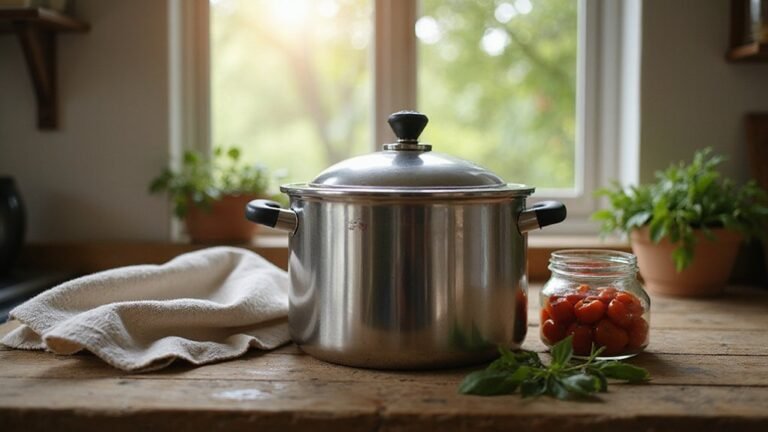
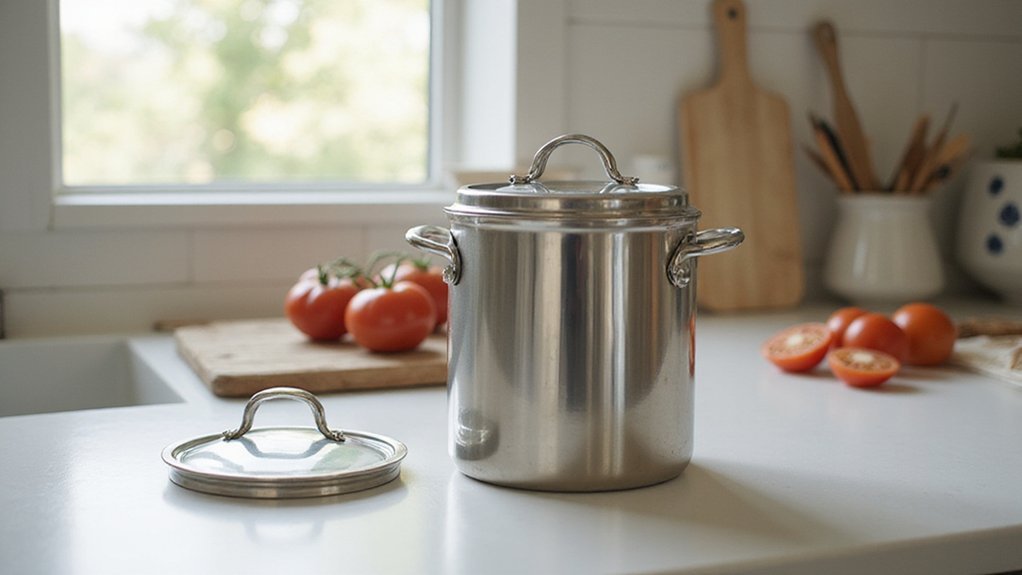
A pressure canner is a specialized metal vessel used for processing low-acid foods safely. Unlike water bath canners that rely solely on boiling water, a pressure canner harnesses steam pressure to reach temperatures of 240°F, necessary for killing harmful microorganisms in low-acid foods like meats, green beans, and stews. It features a removable inner rack to hold jars, a lockable lid to create an airtight seal, and a venting system to release excess steam. For those also protecting garden produce from pests, mesh wire fencing offers a similar barrier function against squirrels. During operation, you load the jars onto the rack, seal the lid, and vent steam for about 10 minutes to remove air. Then, you attach a regulator weight or utilize a pressure gauge to maintain the correct pressure—usually 10 pounds at sea level—for the duration of the process. Maintaining precise pressure is crucial to ensure the safety and quality of your canned goods. You must also allow the canner to depressurize naturally after processing before opening the lid. This natural depressurization prevents accidents and preserves the quality of your preserved foods. Overall, a pressure canner is an essential tool for safely preserving low-acid foods that cannot be processed through water bath canning. For optimal protection of your flock, many designs incorporate predator-proof locks as a key safety feature. Additionally, just as roosting bars require proper height to keep chickens safe and comfortable, a canner’s correct elevation ensures stable operation on your stovetop.
Why 240°F Kills Botulism Spores
Botulism spores are killed at 240°F, making it essential for safe food preservation. Normal boiling at 212°F does not reach this temperature, especially for low-acid foods, so it cannot effectively destroy these heat-resistant spores. To ensure safety, canning requires moist heat at 240°F for at least 20 minutes, depending on the recipe. These spores are classified as group I strains and can survive at 90°C (194°F) for 10 minutes, but reaching 240°F guarantees their inactivation. Without achieving this temperature, toxins may form in your jars, posing serious health risks. Using a pressure canner is crucial because it raises the boiling point by trapping steam and increasing pressure to 15 psi, creating the necessary conditions to eliminate these deadly spores. For those struggling with odors, monitoring warning signs like persistent foul smells can indicate spoilage that requires immediate attention. Additionally, just as homesteaders must carefully determine the ideal height for nesting boxes to ensure safety and comfort for their flock, they must also verify their pressure canner’s pressure gauge is accurate to reach the required 240°F for safe food preservation. For a related DIY chick waterer project, similar attention to proper tool selection and setup ensures reliable results.
Which Foods Require a Pressure Canner?
Foods that require a pressure canner include low-acid vegetables like green beans, carrots, and peas, which need to be processed at 240°F to ensure safety. Meats such as beef, chicken, and pork also demand pressure canning to eliminate botulism spores and preserve flavors. Dry beans and legumes, including pinto and kidney beans, must be pressure canned for safety reasons. Additionally, soups, stews, and combination dishes like chili or pasta sauce need a pressure canner because their ingredients often contain low-acid components. Some fruits like tomatoes and figs are borderline and must be pressure canned to prevent spoilage. Using a pressure canner maintains minimal texture modification, keeping vegetables crisp and meats tender when processing times are followed precisely. For best results, pair your pressure canner with quality canning jars like those reviewed in top guides. Homesteaders seeking durable garden tools will find similar reliability in a proper pressure canner.
Pressure Canner vs. Water Bath: Key Differences
Pressure canning reaches higher temperatures—240 to 250°F—necessary for safely preserving low-acid foods like vegetables and meats. Unlike water bath canning, which only heats to 212°F at sea level, pressure canning eliminates the risk of botulism by destroying spores that survive boiling temperatures. This method is essential for foods that are not naturally high in acidity and is mandated by USDA guidelines. Even experienced homesteaders appreciate the efficiency of a Dollar Tree watering can for rinsing jars before loading them into the canner. A similar mindset of systematic water management can help homesteaders make the most of their preservation supplies. Choosing the right watering can near me can further streamline your canning setup by providing easy access to a clean rinse station.
Maintaining a pressure canner involves regular checks of the pressure gauge, cleaning the gasket, and vent clearing to ensure safe operation. Before processing, you must vent the canner for approximately 10 minutes, which adds a step and slightly extends total processing time. While water bath canning is quicker and requires less maintenance, pressure canning provides stable, reliable results at any elevation, making it the only safe option for low-acid foods.
The 5 Essential Parts of a Pressure Canner
The pressure canner consists of five essential parts that work together to ensure safe food preservation. The base pot, which holds 2 to 3 inches of water, is made from durable materials like aluminum or stainless steel. Its wide-mouthed, flat-bottom design provides stability and even heat distribution during processing. Familiarizing yourself with top compost tumblers can improve your organic waste recycling efficiency. For wooden garden beds, Western Red Cedar offers natural rot resistance, making it a durable choice for outdoor use.
The jar rack elevates the jars, preventing them from direct contact with the hot water or heating element. It ensures water can circulate around each jar freely, promoting even heat transfer. The canner lid forms an airtight seal to contain the pressure, housing both the vent pipe for steam release and the pressure gauge.
The pressure gauge is critical for monitoring internal pressure accurately. It can be a dial type or a weighted gauge, with vintage models often featuring the former. The gasket, made of rubber or similar materials, ensures a tight seal between the lid and the pot to maintain consistent pressure.
Safety features include the vent pipe, which allows excess steam to escape safely, and the safety plug that opens if internal pressure exceeds safe limits. These components work together to keep your canning process secure and consistent.
How to Use a Pressure Canner Safely
Before using a pressure canner, you need to perform a thorough safety check of all components. Inspect the rubber seal for cracks, tears, or other damage, and ensure the vent pipe is clear of any blockages. Check the gauges to confirm they are functioning correctly, and examine the pot for rust, pitting, or significant wear. A properly placed rack inside the canner helps prevent jars from direct contact with the heating surface and reduces breakage risk. Proper inspection and setup are essential to ensure safe, effective canning. This method achieves a minimum temperature of 240°F to destroy Clostridium botulinum spores. A helpful parallel to this careful setup is building a DIY chicken feeder, where precision in tools and materials ensures a functional and safe final product. Just as with canning, selecting the right coop insulation is critical for maintaining a stable environment and protecting your flock from extreme temperatures. For instance, just as a canner requires airtight seals, bird nesting boxes must have proper ventilation and drainage to keep avian guests safe and dry.
Don’t Make These Pressure Canning Mistakes
Even if you’ve mastered the basic steps, a few common mistakes can still ruin your batch or create a safety hazard. Always follow the safety guidelines: vent steam for a full 10 minutes before closing the vent; skipping this step traps air inside the canner. Avoid overfilling your canner with water—stick to just 2 to 3 inches of water to ensure proper pressure and heat circulation. Be sure not to fill jars above the recommended headspace, as overfilling can prevent proper sealing and lead to spoilage. Make it a habit to check the over pressure plug for secure function before each use to prevent dangerous steam releases. A pressure canner operates at higher pressures than a standard pressure cooker, making it essential for safely preserving low-acid foods. Choosing durable nesting boxes with proper ventilation can help maintain consistent heat distribution during processing.
Monitoring pressure constantly is crucial. If the pressure drops below your target during processing, restart the timer to ensure safe preservation. Using untested recipes for low-acid foods or failing to acidify tomatoes can compromise safety and cause harmful botulism growth. Always use the correct canning accessories, such as a rack—placing jars directly on the canner’s bottom blocks heat transfer and can cause uneven processing. After processing, let jars rest for 3 to 5 minutes before removal. Removing them too quickly or cooling too slowly can lead to siphoning, which affects the seal and shelf stability.
Do You Actually Need a Pressure Canner?
A pressure canner is essential for safely preserving low-acid foods such as vegetables, meats, and soups. While high-acid foods like fruits, jams, and pickles can be processed safely in a boiling water bath, low-acid foods require reaching 240–250°F to eliminate the risk of botulism. This temperature can only be achieved under 10 to 15 psi in a pressure canner.
Using a pressure canner not only ensures safety but also improves the quality of your preserved foods. It locks in texture, reduces processing time by 30 to 50 percent, and helps retain more nutrients. Additionally, it minimizes liquid loss, preserving flavor better.
Prices for pressure canners range from around $150 to $400. If you plan to can meats, vegetables, or broths regularly, investing in one is a wise choice to prevent the production of dangerous toxins. Without a pressure canner, safely preserving low-acid foods at home is difficult and risky.