Pressure Canner vs Pressure Cooker for Homesteading
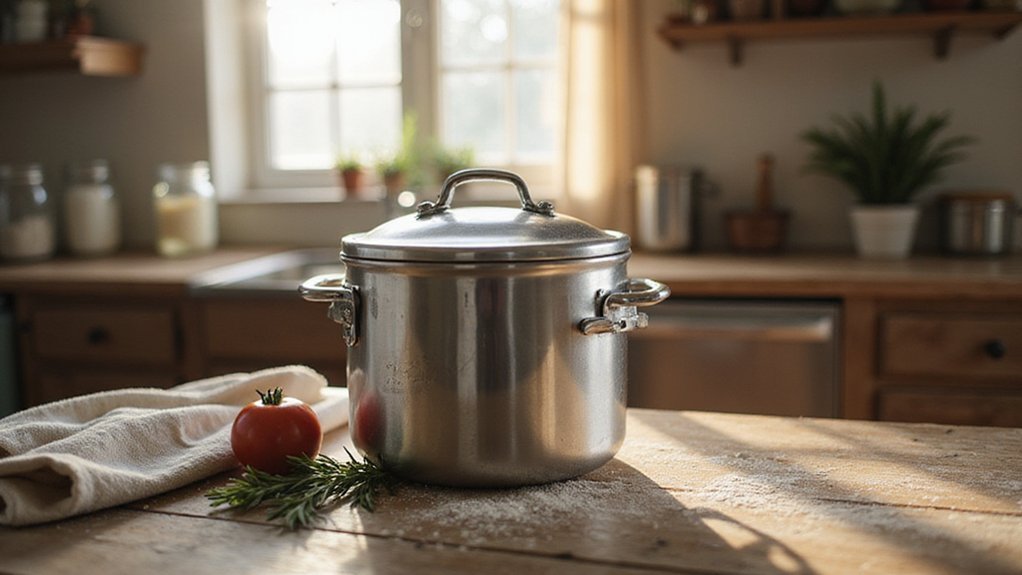
If you’re homesteading and wondering whether to use a pressure canner or a pressure cooker, the difference is crucial. A canner is designed to safely process low-acid foods by maintaining a steady pressure of 10 to 11 PSI. This steady pressure reaches the necessary temperature to kill harmful bacteria.
Pressure cookers, while great for preparing meals, lack the proper venting and precise gauges needed for safe canning. Keep reading to see why choosing the right equipment makes all the difference for long-term food storage.
Pressure Canner vs Cooker: The Safety Difference
A pressure canner and a pressure cooker are not interchangeable, especially when it comes to food safety. A pressure canner maintains steady, high pressure—usually 10 to 11 PSI with dial gauges or 15 PSI with weighted gauges—for long durations. This consistent pressure and heat are crucial for destroying Clostridium botulinum spores in low-acid foods, ensuring safe home canning. In contrast, a pressure cooker heats and cools much faster, which prevents it from reaching or maintaining the necessary temperature for effective canning. For homesteaders, investing in dedicated canning equipment is essential for safely preserving harvests. Using a pressure cooker instead of a canner can result in underprocessed food and risk foodborne illness. Additionally, a pressure cooker lacks the capacity for four upright quart jars and the precise pressure control needed for safe canning processes. Unlike canners, pressure cookers are designed for quick culinary tasks and immediate meal preparation, not for achieving the sustained sterilization required for preservation. For buyers, choosing durable galvanized steel for the coop structure can ensure long-term weather resistance. Stick to recipes designed for your cooker, like braised meats or steaming vegetables, and avoid trying to repurpose your pressure cooker for canning tasks. Proper storage techniques are key for keeping those meals safe, but never substitute a pressure cooker for a pressure canner in home canning. For a high-quality build, you might also consider top coop designs when planning your homestead projects.
Why Your Pressure Cooker Can’t Kill Canning Pathogens
A pressure cooker cannot reliably kill canning pathogens because it does not reach the necessary temperature or maintain it long enough. Most electric pressure cookers top out below 115°C, significantly short of the 121.1°C required to destroy botulism spores. Even when some models like the Carey cooker can reach this temperature briefly, they cannot sustain it for the full 30 minutes needed for sterilization. Additionally, pressure regulation in these cookers is inconsistent. They rely on pressure sensors rather than precise thermometers, meaning altitude changes can cause dangerous temperature fluctuations. At an elevation of 800 meters, you’d need around 15 psi to reach 121.1°C, but your cooker’s sensor may not adjust accordingly. Without consistent, verified heat at the correct temperature, you are effectively just cooking food, not sterilizing it. Both the USDA and NCHFP confirm that electric pressure cookers are unsafe for low-acid canning purposes because they cannot guarantee the necessary temperature and time. For the serious homesteader, choosing the best wood duck nesting boxes is equally critical, but for safe food preservation only a proper pressure canner will do. Selecting a well-ventilated coop for your flock is similarly essential for their health and productivity. When building that coop, using pressure treated lumber ensures long-lasting structural integrity against moisture and rot.
Why a Canner Reaches 240°F but a Cooker Doesn’t
A canner reaches 240°F because its design forces out all the air before building pressure, whereas a cooker skips this crucial step. The key is in the venting process: you need to let steam flow freely for exactly 10 minutes to purge any air pockets. If you don’t do this, residual air prevents the internal temperature from reaching 240°F, which is necessary to destroy botulinum spores. For homesteaders also maintaining indoor plants, Haws Handy indoor watering cans offer similar precision in controlled application. For consistent results, selecting a unit with easy temperature control is essential for perfect jerky every time. Ensuring proper roosting bar height supports chicken health and comfort during sleep, just as accurate temperature control ensures safe food preservation.
After venting, the canner’s temperature remains stable thanks to its weighted or dial gauge, which maintains steady pressure at 10.5 psi. This consistent pressure keeps the temperature at the desired 240°F. A cooker, on the other hand, often relies on a pop-up valve and typically operates at a lower psi range of 8 to 10. This lower pressure and less precise regulation mean it can’t sustain the temperature needed for safe processing. Without proper venting and stable pressure, the internal temperature stays below the critical threshold, risking unsafe results.
USDA Rules: Why Pressure Cookers Fail Canning Safety
A standard stovetop pressure cooker is not safe for canning low-acid foods because it cannot reliably reach or maintain the necessary temperature of 240°F. Unlike dedicated pressure canners, these cookers often lack a calibrated gauge or weighted valve to monitor and control pressure accurately. They also do not have a vent port designed to release trapped air, which can interfere with heat transfer and jeopardize safety. Without precise pressure control, you cannot ensure that harmful botulism spores are killed. This makes them unsuitable for preserving low-acid foods such as meats and vegetables, as improper processing increases the risk of toxin development. Following USDA guidelines, you should always use a proper pressure canner with the correct features to guarantee safe, low-acid food preservation. For those who also manage organic waste, a compost tumbler offers a similarly reliable and controlled method for recycling kitchen scraps. Meanwhile, for kitchen scraps that need bagging before composting, the best options include compostable bags that meet certified standards.
Size Limits: Canning Jars vs Cooking Meals
A standard pressure cooker cannot match the capacity of a proper canner, which holds at least four quart jars upright, translating to roughly eight quarts per batch. Most pressure cookers only accommodate 2 to 4 quarts, limiting you to a single batch of stew or soup each time. For safe preservation, the USDA recommends using a 16-quart canner, which ensures enough room for at least four quart jars or two pint jars. Following these guidelines prevents underprocessing, which can lead to spoilage or unsafe food. A dedicated canner designed for canning provides the capacity for ten or more meals per load, making it more efficient for long-term storage. Size matters because a recipe prepared in a pressure cooker is suitable for immediate dinner, not for multi-batch preservation. Homesteaders can learn proper watering techniques from guides like those for bonsai trees, but the core principle of using the right tool for the capacity remains the same.
Use a Pressure Canner as a Cooker, Too
Your 16-quart pressure canner can double as a versatile cooking appliance, handling tasks like braising meats or cooking large batches of stew. This means you don’t need to buy a separate cooker for these functions. Manufacturers often include instructions for converting your canner for different cooking methods. USDA confirms that a pressure canner performs cooking functions safely without dangerous reactions, so you’re not limited to just canning.
While electric cookers are popular for quick meals, they can’t match the capacity or sustained heat of a pressure canner. You benefit from precise pressure control and proper venting, ensuring even cooking. For example, your 16-quart canner can handle a pot roast that wouldn’t fit into a four-quart cooker. Using a pressure canner for multiple purposes saves money, reduces storage needs, and adds a versatile tool to your homestead kitchen arsenal.
Pressure Canner vs Cooker for Food Storage Goals
A pressure canner is essential for food storage because it maintains a steady temperature of 240°F, which is necessary to destroy harmful bacteria like botulism in low-acid foods. Unlike a pressure cooker, which heats and cools too quickly, a pressure canner provides consistent pressure and temperature regulation during processing. This precise control ensures your jars seal properly and remain shelf-stable for years, preventing spoilage and health risks. You cannot safely process vegetables, meats, or poultry in a pressure cooker since it lacks the necessary features for safe canning. For true food preservation at scale, a pressure canner is designed to hold a steady pressure for the entire processing time required by USDA guidelines. For long-term food storage, especially of low-acid foods, a pressure canner is the only reliable and safe choice. A water bath canner, by contrast, is only suitable for high-acid foods like fruits and pickles. When selecting equipment for homesteading, it is helpful to compare top options reviewed for canning capacity and durability to match your storage needs.
Final Safety Check: Canner Only for Canning
You cannot safely rely on a pressure cooker for canning. Only a USDA-approved pressure canner with a working pressure gauge is suitable. Pressure cookers lack a visible pressure gauge, meaning you cannot accurately monitor the internal pressure during the process. This is a safety risk, especially for low-acid foods like green beans or meats that require precise pressure for proper preservation. Using a reliable monitoring tool, such as the best soil thermometer reviewed for garden precision, is not a substitute for a canner’s required gauge.
Before starting, verify that your canner has a functioning gauge and a clear vent pipe. After filling your jars with hot product, you must vent steam for 10 full minutes. This step releases excess air to ensure a proper seal and consistent pressure. Then, add the weight and bring the canner to the proper pressure. Do not remove the lid or open the canner until it depressurizes naturally—wait until the pressure gauge reads zero. Moving the lid too early risks spoilage or even dangerous pressure release. Always use a real canner, not a pressure cooker, for home canning to ensure safety and food safety standards are met.