Plastic Watering Can: Is It Safe for Chicks?
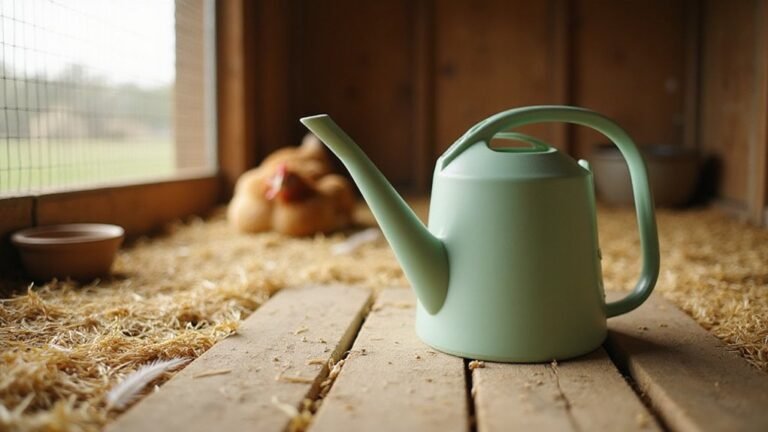
If you’re wondering whether plastic watering cans are safe for chicks, the answer isn’t simple. Many common plastics can leach harmful chemicals into water, especially in warm coop environments.
Choosing the right type can help keep your young flock healthy and safe. Here’s what you need to know to select a safe watering can for your chicks.
Phthalates and BPA: How Plastic Waterers Poison Your Chicks’ Water
Plastic watering cans, especially those made from polycarbonate (recycle code 7) and vinyl (code 3), can leach harmful chemicals like phthalates and BPA into your chicks’ water. These chemicals do not stay safely locked within the plastic—they actively seep into the water, particularly under high temperatures common in hot coops or parked cars. Even “BPA-free” plastics aren’t safe; they can still release other toxic substances that threaten your chicks’ health. For a safer alternative, consider using glass jars with lids, which are non-porous and resist chemical leaching when storing water for your flock. Similarly, choosing high-quality plastic bags designed to resist degradation can help reduce contamination risks for stored feed and supplies. For a more durable option, reviewing the top picks for coop accessories can help you identify materials built to withstand heat without leaching.
Chemical leaching accelerates in warm environments, meaning a plastic waterer exposed to heat can release dangerous compounds much faster. Consuming water contaminated with phthalates and BPA affects development and can cause reproductive and neurological problems. For growing chicks, early exposure raises risks of brain disorders and impairs neurological development. Over time, daily ingestion of these chemicals can build up, leading to systemic toxicity and long-term health issues for your flock.
Why HDPE Plastic Waterers Beat All Other Plastics for Safety
HDPE plastic waterers are the safest choice because they do not leach harmful chemicals into your chicks’ water. Unlike other plastics, HDPE (recycle code 2) is chemically inert, meaning it doesn’t release toxins even under UV light or physical stress. It doesn’t rely on additives like phthalates for flexibility, so it avoids endocrine disruptors that could interfere with development. Its resistance to off-gassing and leaching ensures water stays pure and safe to drink. Approved by the FDA for food contact, HDPE is proven to be safe for handling consumables. Additionally, its durable, stable structure reduces toxic residues during recycling, and its long-lasting nature minimizes environmental impact. You don’t need to worry about BPA or cracks increasing leaching rates, making HDPE the reliable option for keeping your chicks healthy. For similar peace of mind, choosing the best wood duck nesting boxes can also involve evaluating material safety for long-term animal health.
Why Apple Cider Vinegar and Metal Waterers Don’t Mix
Apple cider vinegar and metal waterers do not mix because the acetic acid in vinegar dissolves zinc coatings on galvanized metal waterers, leading to corrosion within 24 hours. This process isn’t just cosmetic; it causes zinc to leach into the water and form zinc acetate, a soluble toxin that your chicks will drink. As a result, their health can rapidly decline, showing signs like lethargy, loss of appetite, and poor growth. High zinc levels interfere with the absorption of copper and iron, which can damage their livers and weaken immune systems. Diluting the vinegar won’t stop this reaction; in fact, lowering the pH below 5.0 actually accelerates corrosion. Metal waterers—whether steel or aluminum—are vulnerable to rusting, pitting, and structural damage when exposed to vinegar. To keep your flock healthy, opt for non-reactive materials like ceramic watering can planters or HDPE plastic waterers, which won’t react with vinegar regardless of dilution. Using ACV as a remedy for health problems is overstated and often unnecessary when proper hygiene and cleaning are neglected. For raising healthy chicks in a well-maintained setup, raised garden beds with compost provide a superior growing environment free from chemical leaching.
Design Tweaks to Plastic Waterers That Prevent Drowning and Chilling
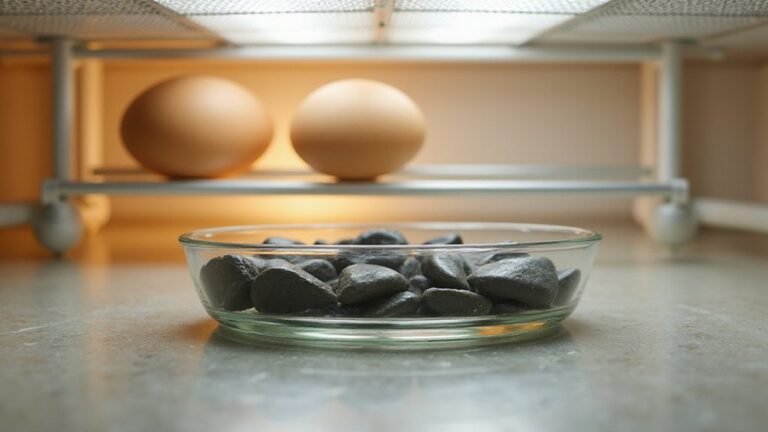
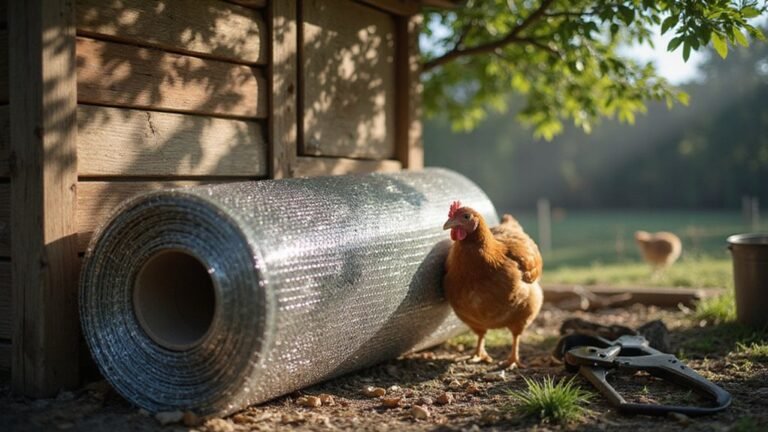
Using a shallow water level of 0.25 inches for newborn chicks is essential to reduce the risk of drowning. Keep the water depth below 0.5 inches as they grow to prevent chilling and water spillage. Use a wide, shallow dish at least six inches across so chicks can easily access water without slipping. Adding one-inch marbles creates safe perching islands, giving chicks a resting spot that keeps them from standing directly in the water. Position smooth river rocks just above the water line to serve as escape routes, enabling quick exit if they fall in. Also, bend hardware cloth at a 45-degree angle to create a climbing ramp that assists chicks in getting out of deep water. Install ramps below the water level, making it easier for panicked chicks to escape swiftly. Use contrasting, bright-colored opaque plastics instead of clear ones so that chicks can see the water’s edge and avoid falling in. For homesteaders, selecting a durable plastic model ensures long-term use in harsh outdoor conditions. Soften the rims of the waterer with sections of pool noodle to prevent slipping and reduce chilling from prolonged exposure. Choosing the Perfect Dollar General Watering Can for these chick-safe modifications can provide an affordable, shallow plastic container ideal for homesteading needs. These small adjustments can make a significant difference in preventing drowning and keeping young chicks warm and safe. Just as claymation animation requires careful layering to build a stable scene, layering these escape features prevents accidents and keeps your setup safe.
Heat Tape and Floating Balls: Keeping Plastic Waterers From Freezing
Self-regulating heat cables are essential for preventing plastic waterers from overheating because they automatically decrease their heat output as temperatures rise. Look for brands like Frost King or EasyHeat, which are explicitly labeled as “safe for plastic pipes.” These cables should be installed along the bottom third of the waterer and secured every 6 to 12 inches with electrical tape—avoid duct tape, which is less durable in damp conditions. Always connect the cable to a GFCI outlet to protect against electrical shocks in moist environments. For instance, the YeloDeer heat tape blanket provides consistent heat distribution with heating wires sewn into fabric, ensuring safe freeze prevention without overheating. For buyers seeking a more permanent solution, a top food dehydrator machine can also be repurposed to dry herbs for chick health supplements, offering consistent low-temperature drying. For a more hands-on approach, consider building your own chicken nesting box from scrap wood to provide a dry, insulated area for your chicks. A well-maintained compost bin can provide natural warmth source if placed near the waterer during cold snaps.
The floating ball mechanism is another key component. Ice buildup can push the ball upward, disrupting water flow and freezing the valve. Use a ball larger than 1.5 inches to prevent it from sinking in slush, ensuring it remains functional. Regularly lubricate the ball to reduce freeze-ups and keep the water mechanism moving freely. When ice forms and the water level drops, a well-lubricated ball helps ensure your chicks still get fresh water before freezing occurs. Inspect the heat tape annually for cracks and signs of overheating, and replace it if you notice any damage or deformation on the plastic.
Daily Cleaning Steps for Plastic Waterers to Remove Bacteria
To keep your plastic waterer free of bacteria, start by thoroughly emptying all remaining water, debris, and biofilm. Rinse the interior with warm water heated to 60°C (140°F) to effectively kill pathogens and loosen dirt. For added sanitation, prepare a solution of one part white vinegar to four parts water, or create a paste with baking soda to tackle stubborn stains. Use a soft bottle brush to scrub all interior surfaces, including corners, straws, and spouts, ensuring biofilm removal. For best results, consider that glass mason jars offer a non-porous alternative that resists bacterial buildup more effectively than plastic. Additionally, following a step-by-step build guide for your waterer setup can ensure better drainage and easier cleaning. Rinse the waterer multiple times until no residue remains. Allow it to air dry completely with the lid off before refilling. Cleaning after every use or at least several times a week is essential to prevent bacterial buildup—your chicks depend on it. Similarly, choosing a well-made nesting box can reduce moisture and bacterial risks for your birds.
DIY Plastic Waterer: Cutting HDPE and Sealing Seams Without Toxins
To cut HDPE safely and effectively, use a fine-tooth carbide blade on your saw. This type of blade creates clean cuts without releasing toxic fumes, ensuring your workspace stays safe. When sealing seams, avoid PVC glues; instead, opt for a silicone sealant labeled NSF-61 or potable water safe. This choice prevents any chemicals from leaching into the water, which is essential for healthy chick hydration. For optimal chick safety, consider the roosting bar height from the knowledge, as elevated perches align with their natural instincts. For assembly, keep water access openings between 0.5 and 0.75 inches to prevent chicks from drowning. Maintain a shallow water depth of about 0.5 inches for added safety. Reinforcing the base plate will help prevent tipping and increase the waterer’s durability. A mastering watering cans approach also emphasizes using durable materials that resist cracking under sun exposure. After sealing all joints, allow the adhesive to cure fully before testing for leaks to ensure a secure, non-toxic waterer. For long-term hygiene, consider how a tumbler for compost design ensures easy rotation to keep waste aerated, similar to how frequent water changes prevent stagnation in this setup. Following these steps results in a durable, safe, and chick-friendly watering solution.