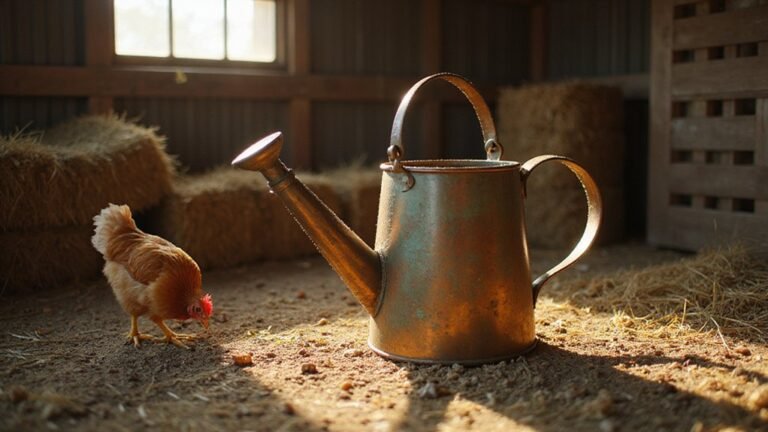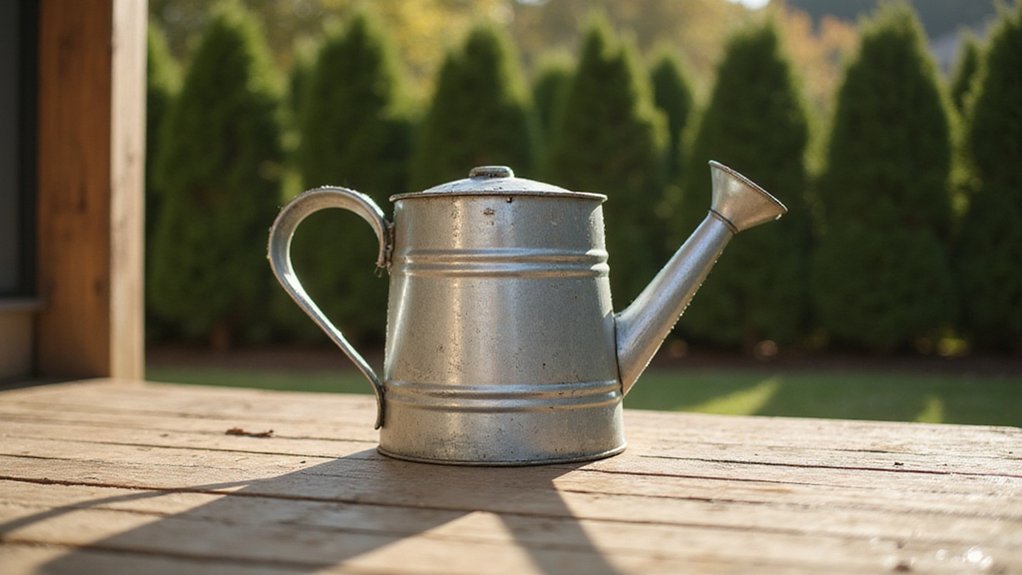
Antique Galvanized Watering Can: A Homestead Essential
Got a shed full of plastic watering cans that keep cracking or fading away? An antique galvanized watering can might just be the long-lasting solution you need.
These timeless tools, made from zinc-coated steel, easily outlast modern versions, surviving decades of daily use. The secret lies in their durable, self-healing finish, keeping them looking and working great for years to come.
Keep reading to find out how this old-school design delivers unmatched longevity.
Why Antique Galvanized Watering Cans Outlast Modern Plastic Cans
Antique galvanized watering cans last for over 30 years, often outliving modern plastic versions by decades. Their durability comes from galvanized steel, which resists physical impacts and extreme weather, including freeze-thaw cycles. Unlike plastic, which degrades under UV exposure and becomes brittle, galvanized steel ages gracefully with minimal maintenance. You can repair a split or dent in a metal can by patching or reshaping it, while plastic tends to crack beyond simple fixes. Homesteaders benefit from a 2 gallon capacity that provides substantial water volume without becoming too heavy to carry. To put this durability in perspective, consider that claymation techniques require similarly resilient materials to withstand repeated handling. To keep a galvanized watering can in top shape, rinse it yearly with vinegar, store it upside down to prevent water collection, and avoid harsh chemicals. For added preservation, apply a sealing process to protect the metal interior from rust and corrosion. This care routine helps it remain functional and attractive for generations.
A Brief History of the Antique Galvanized Watering Can
The galvanized water can became an enduring antique primarily due to its material durability. In the early 20th century, galvanized metal—coated with a layer of zinc—became the standard for these tools because it resisted rust and corrosion far better than earlier copper, brass, or plain steel versions. This toughness allowed the watering cans to withstand frequent use outdoors and the test of time. Their resilient construction meant they could often be passed down through generations or kept as decorative pieces long after they stopped being a everyday gardening necessity. The galvanized finish not only extended the tool’s lifespan but also gave it the characteristic metallic sheen that’s still appealing today. Like hardware cloth, the durable zinc coating ensures long-term protection against the elements. For those looking to recycle their used grounds, a compost bin designed specifically for coffee grounds can further enhance sustainable gardening practices. When selecting replacement parts, the same principles apply as choosing the best vacuum sealer bags for preserving produce.
Why Zinc Makes These Cans Last Decades Longer
Zinc forms a seamless, protective barrier over the steel, blocking oxygen and moisture from reaching the metal and preventing rust. This initial coating offers excellent corrosion resistance. The real advantage of zinc durability, however, becomes evident when the surface is scratched or chipped. In these cases, the zinc nearby reacts by moving to cover the exposed steel, providing a self-healing, sacrificial protection that maintains the can’s integrity even after minor damage. Similar to how plastic mason jars rely on a durable lid seal to keep contents fresh, the zinc layer’s resilience is critical for long performance. For homesteaders who choose cans with this coating, practical guidance on maintaining the protective layer ensures decades of reliable service. Homesteaders should regularly inspect the can’s zinc coating for signs of wear to preserve its self-healing properties.
Unlike paint or other coatings that can flake or peel away over time, this zinc layer is integrated at a molecular level through a hot-dip process, which provides a thicker, longer-lasting coating than electrochemical methods. The zinc atoms fuse with the steel, creating a durable, bonded coat that withstands the test of time. Because of this process, antique cans with zinc coatings have lasted decades—sometimes up to 50 years—despite heavy use and harsh conditions. This self-repairing, chemically bonded zinc ensures your cans remain protected season after season, significantly extending their lifespan.
5 Design Features That Made Antique Cans Perfect for Hard-to-Reach Plants
The antique watering cans feature a spout length of 30 to 40 centimeters. This long, narrow tip allows you to direct water with about 1 millimeter accuracy, making it easier to reach plants tucked into tight or hard-to-access spots. The spout is angled at approximately 15 degrees, which helps target plant crowns and inaccessible zones up to 1 meter away without causing leaks or spilling. This precise water delivery minimizes waste and ensures your plants receive exactly the right amount of moisture where they need it most. Consistent with established roosting bar heights, these cans also provide an elevated reach for watering hanging baskets. This design is echoed in the Fazeley Flow watering can, which offers a similar level of precision for modern homesteaders. For those looking to shield these delicate plants from weather, a raised garden bed cover can provide complementary protection.
From Haws Patent to Today: Milestones That Changed Watering Cans
By the mid-1800s, farmers replaced heavy copper with iron, brass, or zinc for their watering cans. Galvanization—coating steel with a protective layer of zinc—became common to fight rust and extend durability. Aluminum later emerged as a lightweight alternative, making watering cans easier to carry and use. Plastic, introduced much later, drastically reduced costs and allowed for mass production. For homesteaders today, a 1 gallon watering can metal option often provides the perfect balance of durability and manageable weight. Each material shift brought notable improvements to gardening efficiency. The design of watering cans also evolved, moving toward bottom-mounted spouts for better water flow and ergonomic grips to reduce hand fatigue. Haws’s iconic blueprint—featuring two handles and a bottom funnel—set the global standard and remains influential in watering can design to this day. Monitoring the environment in a greenhouse, similar to how incubators require precise hygrometer readings for humidity control, can help ensure optimal plant growth. For those attracting wood ducks to a property, selecting the right best wood duck nesting boxes can similarly support successful breeding and habitat management.
How to Identify and Value an Antique Galvanized Watering Can
To identify an antique galvanized watering can, examine the surface for the distinctive spangle pattern—crystalline zinc coating that signifies genuine galvanization. Run a magnet over it; if it sticks, the can is made of steel, not copper or aluminum. Check the seams: cans made before 1900 typically show soldered overlaps with irregular bead lines, while those made after 1920 are more likely to have welded, uniform joints. Look for solid, hand-forged rivets with domed heads, as modern reproductions often have stamped tabs instead. Look for double braces in the front, as these were a characteristic feature of early designs. For homesteaders seeking festive alternatives, santa watering can lights offer a whimsical and practical decorative option for the holiday season. Building a DIY bin compost system can be a great way to repurpose materials while maintaining your garden.
Decorative finishes can also help date the can: a stable, layered patina on high-contact areas suggests age, whereas a uniformly applied faux patina indicates a reproduction. For valuation, consider manufacturing techniques: early soldered seams and hand-forged lugs increase the can’s worth. Typical prices for average antique galvanized watering cans range from approximately $45 to $120. Rarer sizes or well-known brand names like Haws can push prices above $200. Additionally, an original paper label can increase the value by 20 to 50 percent. These antique cans are particularly prized by homesteaders for their durability and historical charm.
How to Pick the Right Vintage Watering Can for Your Garden
Choose a vintage watering can with a capacity between 1.3 and 2 liters for indoor plants and 8 to 10 liters for larger flowerbeds. A 1.75-gallon can is a good compromise, reducing refill trips. Opt for a two-handle design to improve control and minimize wrist strain, especially when carrying cans over longer distances. This design is crucial because two handles facilitate stability and control during watering. For your chicken coop, selecting a bedding option like straw or wood shavings helps maintain cleanliness and comfort for your flock.
Compare materials: galvanized steel resists rust and is durable, while copper offers aesthetic appeal but requires maintenance. Plastic models are lightweight and easy to handle but tend to be less sturdy over time. When selecting a spout, consider the type of rose: fine-mist roses with over 40 holes are ideal for seedlings, whereas coarse roses with 12 to 16 holes suit mature plants. Ensure the spout extends at least 15 centimeters beyond your fingertips for easy reach, and choose a removable rose for versatility. Check thread engagement—8 millimeters is the minimum for a secure fit and to prevent leaks. Applying an airtight seal, similar to vacuum sealing methods, can help preserve the watering can’s internal components from moisture damage during off-season storage.