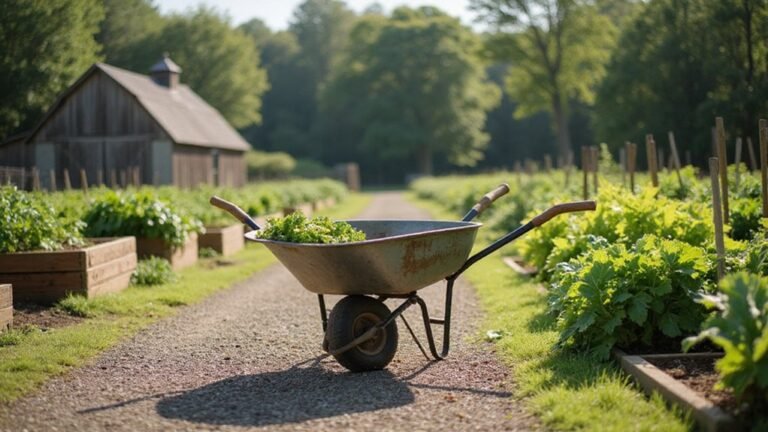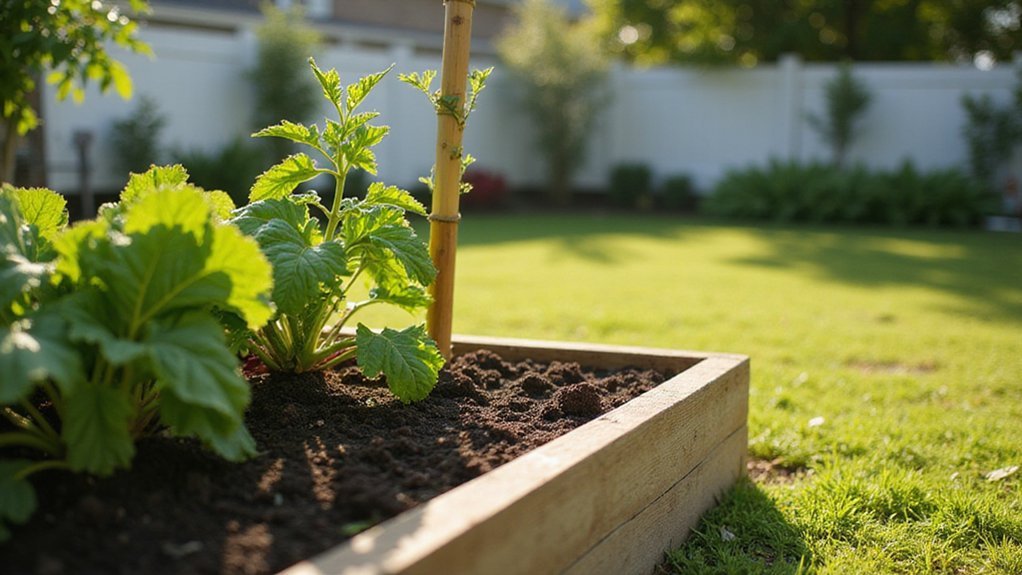
The Advantages of Raised Garden Beds
Struggling with poor soil quality or limited space for gardening? Raised beds offer a simple solution, giving you control over soil conditions and making planting easier.
They warm up faster in spring and improve drainage, helping your plants thrive with less effort.
Keep reading to find out how the right bed size can make a real difference in your garden.
Is Your Native Soil Too Clay-Heavy or Rocky? Here’s How Raised Beds Fix It
If your native soil is heavy clay or filled with rocks, using raised beds is your best solution. They allow you to bypass the difficult ground entirely and give you total control over the growing medium. To improve soil texture and fertility, start with targeted soil amendments like perlite, which boosts aeration, or lime, which balances pH levels. Mix these amendments thoroughly into the soil to ensure even distribution. You can even mimic the controlled conditions of a compost bin with worms by adding a separate worm tower to your raised bed for continuous nutrient cycling. For preserving your harvest, pressure canning gives you superior temperature control to ensure safe, long-term storage of your tomatoes.
Next, incorporate a generous layer of compost, blending it well into the existing soil. This creates a loose, nutrient-rich environment where roots can easily spread and thrive. Instead of fighting the natural flaws of your yard—such as compaction or embedded rocks—you build a fresh, ideal foundation from scratch. Simply fill your raised beds with your prepared soil mixture, mix thoroughly, and then plant. No need to dig up rocks or break apart hard clay—just focus on filling, mixing, and planting for a healthier garden. For those also raising backyard chickens, the same principle of creating a controlled environment applies when selecting the best chicken coop.
How Raised Garden Beds Improve Drainage to Stop Root Rot
Raised garden beds improve drainage by providing a designated container for your soil, preventing water from pooling around roots. Typically, these beds are built to stand at least 12 inches high, which allows gravity to pull excess water away from plant roots. To enhance drainage further, you should include drainage holes every 6 to 8 inches and add a slight slope of around 2 percent to direct water outward. Inside, constructing a gravel base combined with coarse perlite or vermiculite creates large pore spaces in the soil, promoting rapid water flow. For a durable structure, consider using pressure-treated wood or rot-resistant lumber like cedar. This setup helps you maintain optimal soil moisture levels and keeps roots from becoming waterlogged. Regular aeration with a garden fork helps open air pockets within the soil, ensuring roots can breathe. Avoid packing the soil down too tightly, as compacted soil hampers drainage and encourages root rot. The same principle of elevating roosting bars can be applied to garden beds to keep them off damp ground. Using a watering can with a fine rose helps you apply water evenly without disturbing the soil structure. With these practices, your plants’ roots stay healthy, and the risk of root rot diminishes substantially.
Can You Extend Your Growing Season With Raised Garden Beds?
Raised garden beds can significantly extend your growing season. The elevated structure warps up faster in spring because sunlight hits the soil from all sides, allowing you to plant weeks earlier than in ground soil. Additionally, the retained heat helps the soil stay warmer longer into the fall, which delays frost damage and extends harvesting time. You can also place cold frames or hoop houses over the bed to provide extra protection during chilly nights. This thermal advantage enables you to rotate crops more freely—plant early greens, summer tomatoes, and fall root vegetables all within the same year—without waiting for the ground to fully thaw or risk early frost. Furthermore, because snow melts faster on raised beds, this extra growing time allows for earlier planting in cold regions. Ensuring your rabbits have a safe and comfortable place to deliver their young can be supported by using quality nesting boxes designed for their specific needs. For wood ducks, selecting the best nesting boxes requires comparing top-rated options to ensure proper dimensions and predator protection. Choosing an appropriate container for watering these beds is easier when you compare designs, such as a haws watering can known for its balanced weight and precision spout.
Do Raised Garden Beds Really Boost Your Yields and Save Space?
Raised garden beds can boost your yields by up to 30% while saving space compared to traditional row gardens. This is because they warm up faster in spring and allow you to densely pack plants. The improved soil in raised beds promotes healthy root development and nutrient uptake for higher yields. Mastering plant spacing with block-style or triangular arrangements enables you to fit up to four times more plants per square foot. Eliminating bare soil rows means every inch of your bed is productive ground. Incorporating strategic crop rotation by moving plant families to different beds each season prevents soil-borne diseases and nutrient depletion. Training sprawling vines upright on vertical trellises further maximizes space. Digging deep and enriching your soil with compost creates loose, nutrient-rich earth that supports large root systems. However, proper hydration of these dense plantings requires careful watering, which is why a bonsai watering can offers precise control for targeted moisture application. For extreme climates, choosing the right coop insulation can similarly protect plants from temperature swings. Applying the same vacuum sealing technique used for preserving harvests can help maintain soil bag freshness for next season. Overall, raised beds help you produce more food in less space, with less weeding and less wasted ground.
What Vegetables Thrive Best in a Raised Garden Bed’s Longer Season?
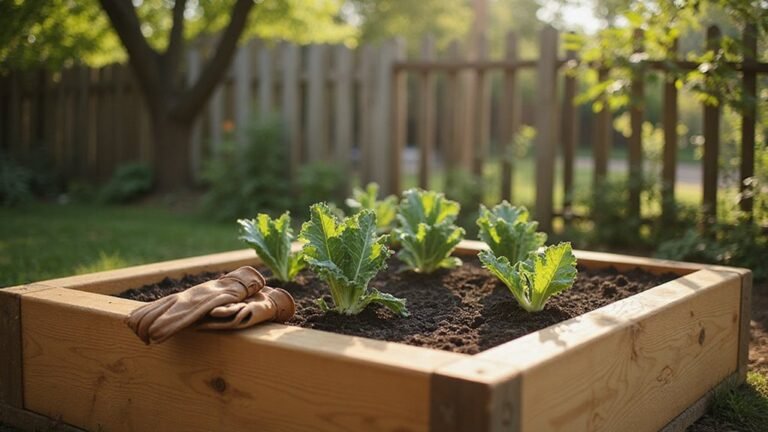
Vegetables with longer growing seasons thrive well in a raised garden bed because of the warmer soil and improved drainage. Leafy greens such as kale, chard, spinach, arugula, and mustard greens can be repeatedly harvested throughout fall and even into winter in milder climates. Eggplants and melons benefit from the consistent warmth, allowing them to develop fully over an extended season. Root crops like carrots and beets also excel, as they prefer the loose, uncompacted soil to develop deep, straight roots. Heat-loving vegetables like tomatoes and peppers get an early start thanks to the elevated soil temperatures, boosting their growth and yield. Crops like cucumbers and squashes can be double-cropped within 50 to 60 days, making efficient use of the longer season. Radishes mature quickly and add early-season variety, while vining crops such as pole beans maximize vertical space. Companion planting with onions and leeks helps naturally repel pests like nematodes, promoting healthier plants. For efficient watering of these beds, homesteaders should consider the biggest watering can to reduce trips to the faucet. Overall, a raised bed extends your gardening season by providing optimized soil conditions and consistent warmth, perfect for a variety of vegetables to flourish longer into the year. For those also raising backyard birds, a similar principle of insulated comfort applies when selecting the best chicken coop for silkies to protect them from cold stress. When planning your garden alongside a coop, consider how many nesting boxes per chicken are needed to ensure your flock has comfortable, stress-free laying spaces.
Will Raised Garden Beds Save Your Back, Knees, and Weeding Time?
Raised garden beds can significantly reduce strain on your back and knees while making weeding more efficient. Elevating the soil to about 28 to 36 inches—waist or counter height—allows you to work comfortably without deep bending or kneeling. This means less pressure on your lower back, joints, and knees, making gardening accessible for most people, especially those with mobility concerns. The elevated position also helps protect joints from unnecessary impact and falling risks. Choosing a design with a sturdy frame can provide lasting support for this ergonomic setup.
Because the soil in raised beds is contained and prepped, fewer weeds tend to grow compared to traditional garden beds. Looser, well-structured soil in raised beds also makes removing roots and weeds quicker and less back-breaking. As a result, you spend less time maintaining your garden and more time enjoying it. To further reduce waste and enrich your soil, you can combine raised beds with a compost tumbler to recycle organic kitchen scraps efficiently. Keeping a chicken watering can nearby simplifies the task of watering these elevated beds without heavy lifting.
A further advantage lies in the ability to incorporate built-in pest control features. The contained structure makes pests easier to spot and manage early. Plus, healthier soil reduces the need for chemical interventions, helping you garden sustainably. Stand upright and work smarter—your raised bed is there to handle some of the hard labor for you.
What Height and Width Should You Choose for Your Body and Crops?
For the width of your raised bed, 4 feet is ideal because it allows you to access both sides easily without stepping into the soil, reaching the center comfortably from either side. This size strikes a good balance between accessibility and manageable construction. If space is limited, a narrower 2-foot bed works well, especially against a wall or fence, but it may restrict your reach. The optimal depth range for a raised bed is typically 12 to 24 inches, which supports a wide variety of plant root systems.
For height, aim for 12 to 24 inches depending on your crops and personal comfort. Shallow-rooted plants like lettuce and herbs flourish in beds around 6 to 12 inches deep, while deeper-rooted vegetables such as tomatoes and squash need at least 18 inches to grow well. Taller beds, around 24 inches, can reduce back strain and make tending deep-rooted crops easier. Be cautious not to exceed 4 feet in width, as wider beds can lead to soil compaction and making reaching the center more difficult. Similarly, choosing the right waterer for chickens is important to keep your flock healthy and hydrated.