Metal Watering Cans for Your Homestead: A Guide
Choosing the right metal for your watering can can make a big difference in durability, weight, and how well it resists rust.
Different metals like galvanized steel, stainless steel, and aluminum each have their own pros and cons based on your gardening needs.
Keep reading to find out which material matches your homestead’s climate and your gardening style.
Why Galvanized Metal Watering Cans Dominate Homesteads
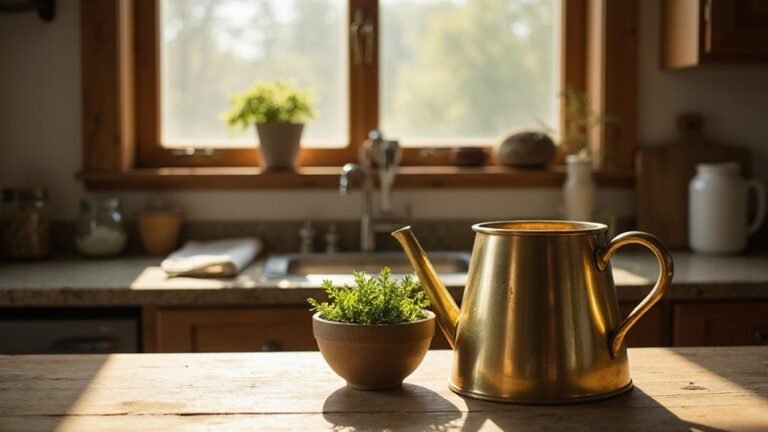
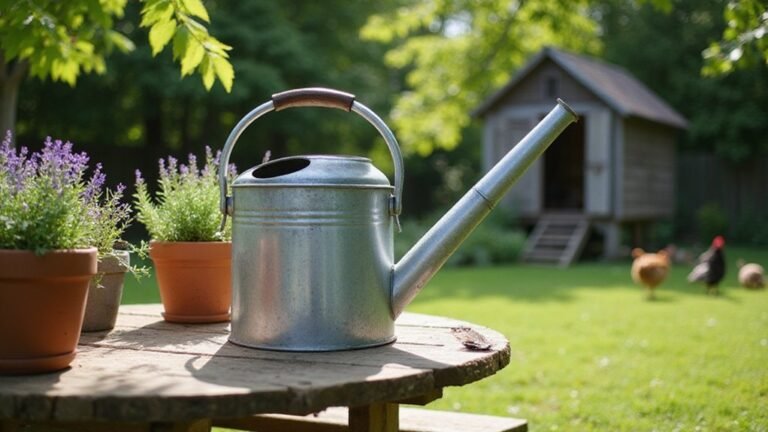
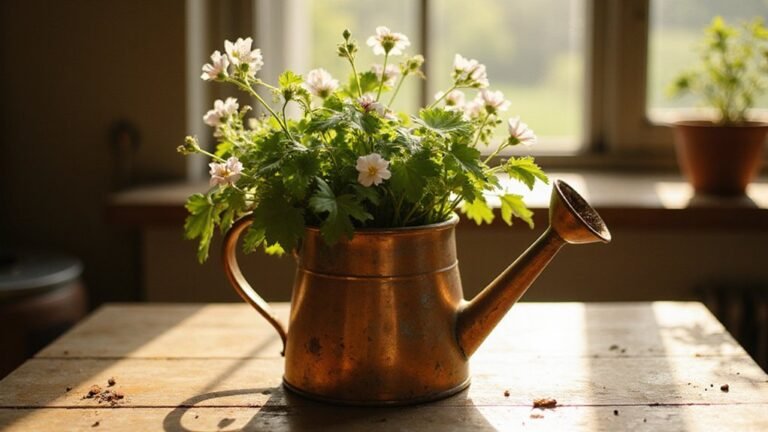
Galvanized metal watering cans are the top choice for homesteads due to their durability and long-lasting material. They are protected by a zinc coating that prevents rusting, allowing them to last five to seven years—significantly longer than plastic options, which typically last only two to three years. These cans have evolved from simple farm tools into stylish yet sturdy household essentials, capable of handling daily use, dragging, and temperature changes without warping or deforming. For even greater versatility, the rose head can be unscrewed with tools for cleaning or modification, such as enlarging holes to create a faster, rain-like stream for covering large garden areas more efficiently. For homesteaders weighing long-term investments, similar considerations apply when deciding if a vacuum sealer is worth it for preserving harvests alongside durable tools like these cans. In contrast, copper watering cans offer a distinct aesthetic but require more careful maintenance to prevent tarnishing. For those managing organic waste alongside their watering needs, a compost tumbler offers similar ease and efficiency for recycling kitchen scraps.
The 0.6 millimeter thick construction makes them resilient under frequent handling and rough conditions. Their metal body also helps keep water cooler when exposed to direct sunlight. Decorative styles now incorporate galvanized steel’s industrial appeal, blending vintage aesthetics with precise rose nozzles that enable gentle watering. Additional features such as a weighted base prevent tipping or spilling in windy conditions while seamless joints reduce moisture accumulation and the potential for corrosion. Maintaining a galvanized water can is straightforward: just dry it after each use. With proper care, these cans will serve reliably season after season.
When to Pay More for Stainless Steel Watering Cans
If you grow acid-loving plants or are in a hard water area, investing in a stainless steel watering can is worthwhile. Stainless steel prevents zinc leaching, which can kill about 35% of azaleas and similar plants when watering with galvanized cans. It also won’t alter your water’s pH or react with fertilizer acids, ensuring your plants receive consistent nutrients. Additionally, stainless steel offers a timeless, polished look that can last for decades without tarnishing. For context, building a DIY worm compost bin uses similarly durable materials to avoid chemical contamination. For coastal or high-rainfall locations, 304 and 316 grades provide excellent corrosion resistance, enabling your can to last 15 to 20 years without rust. While the initial cost is higher—typically between $45 and $75—it more than pays off over time. Many buyers also find that a high-quality chicken coop uses similar rust-resistant materials to protect against long-term weather damage. Similarly, reviewing the best chicken coops can help you compare top options for durable outdoor structures. With proper care, a stainless steel watering can withstands over 500 fill cycles per year without fatigue, making it a reliable, chemical-free choice for organic gardening.
Aluminum Watering Cans: Best for Portability and Weight
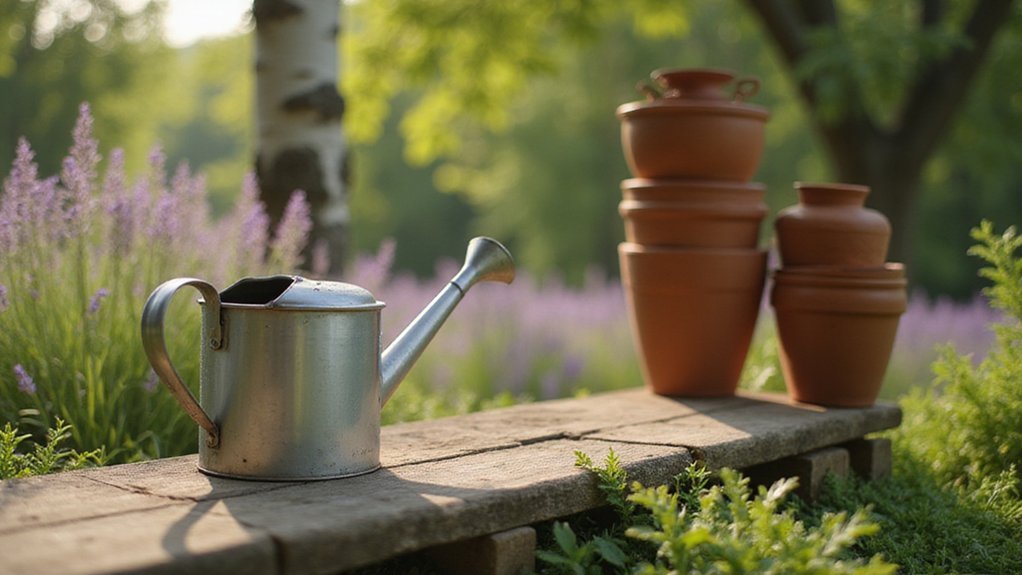
Aluminum watering cans are ideal for portability and lightweight handling. An empty 7-liter aluminum can weighs only about 1.5 pounds, making it nearly half the weight of a comparable steel model. This significant weight reduction allows you to lift and carry loads under 25 pounds comfortably, reducing ergonomic strain during extended use. Thanks to aluminum’s high strength-to-weight ratio, a can with up to 12 liters capacity can be made without becoming bulky or heavy. Its thin-wall construction provides durability while keeping the weight low, ideal for tending to hanging baskets, seedling trays, or garden beds. Anodized aluminum surfaces resist corrosion, adding 3 to 5 extra years of lifespan, and spout lengths ranging from 25 to 45 centimeters reach distant beds or baskets efficiently. For nest boxes, using weather-resistant hardware can similarly extend the lifespan of outdoor structures. For homesteaders also building a mobile coop, you can apply the same lightweight mobility principles used in a DIY chicken tractor to move your watering cans easily between garden zones. To further enhance your gardening routine, adding coffee grounds to your compost bin can improve soil health and reduce waste. All these features make aluminum watering cans a practical choice for anyone prioritizing easy, light watering.
Compare Cost: Galvanized vs. Stainless vs. Aluminum
Galvanized steel watering cans are the most budget-friendly upfront, starting at around $15 to $25. However, over time, their cost increases as the galvanized coating wears down, leading to rust and potential repairs. While the initial price is low, you may end up spending more over 30 years to maintain or replace them. For optimal placement, consider that roosting bars for chickens need an appropriate height to ensure your flock’s comfort and safety. Stainless steel models cost more initially—often double or triple the price—but they are virtually maintenance-free and can last more than 50 years without rusting, providing better value in the long run. Aluminum watering cans fall in between: they are lighter and typically 20 to 30 percent cheaper than stainless steel, making them easier to carry. However, aluminum wears out faster and may require replacement sooner. Stainless steel offers an attractive, artisan look that withstands the test of time, especially if you prefer a durable and rust-proof option. For those on a tight budget, galvanized can work, but consider the ongoing maintenance costs. Aluminum suits portability and affordability, while stainless steel provides the best long-term investment. For a healthier coop environment, applying ag lime helps control ammonia and moisture levels. Following a step-by-step build guide can help you construct a durable coop that complements your choice of watering can.
How Hot-Dipped Coatings Keep Your Metal Can From Rusting
Hot-dip galvanization creates a durable, corrosion-resistant coating by forming a metallurgical bond between zinc and steel. The process involves immersing your watering can in molten zinc at around 450°C, resulting in an inseparable iron-zinc alloy layer that underlies a layer of pure zinc. This alloy layer acts as an excellent barrier, preventing moisture and oxygen from reaching the steel. Because zinc is sacrificial, it will corrode first—protecting the metal beneath even if the coating is scratched. The overall protection typically lasts between 15 and 30 years under normal conditions, providing long-lasting rust resistance. This completely envelops your can, sealing out elements that cause rust and ensuring your watering can endures through many seasons without deterioration. Sealing the can’s seams and joints this way is similar to how homesteaders protect their stored goods by creating a durable barrier against moisture and air.
Metal vs. Plastic Watering Cans: Which Lasts Longer?
Metal watering cans generally last longer than plastic ones. A galvanized steel can typically lasts between 5 and 7 years with regular maintenance, whereas plastic cans usually degrade within 2 to 3 years under standard outdoor conditions. Stainless steel variants can exceed 10 years due to their superior resistance to material corrosion. Plastic models are more vulnerable to UV-induced microfractures after just 600 sunlight hours, as well as damage from freezing temperatures and warping caused by heat cycles. Metals, on the other hand, tend to retain their shape and stability, resisting warping. To extend your metal can’s lifespan, regular maintenance like annual vinegar-soaking helps remove mineral deposits and prevent internal corrosion. Without proper care, however, metal cans can corrode more quickly than plastic.
Four Maintenance Steps to Prevent Rust on Any Metal Can
Regular inspection is your first line of defense against rust. After each use, thoroughly check the entire surface of your metal watering can for scratches, chips, or any signs of coating failure around joints and seams. Promptly address any damage by applying rust-resistant paint to prevent moisture from seeping in. This simple step helps maintain a protective barrier and stops rust from taking hold early on. For additional protection, consider applying a food-safe clear sealant, similar to the quality glass lids used on top-rated mason jars to ensure a lasting, moisture-proof seal. You can also compare your care routine to the maintenance of a drip irrigation for raised bed system, which similarly relies on regular inspection of connections to prevent leaks and corrosion. For a similar approach to moisture control, consider using a compost bin designed for easy kitchen recycling to keep organic waste sealed and dry.
Next, ensure proper storage by draining the can completely and placing it in a dry, elevated spot. Never leave water inside, as standing moisture significantly accelerates corrosion. Keeping the can dry reduces the risk of rust developing over time.
Routine cleaning is essential. Use mild soap and warm water to wash your can regularly, removing dirt and debris. Soak the spout in a vinegar solution to dissolve mineral deposits, then rinse and dry thoroughly. Moisture left on the surface can promote rust, so be sure to dry the entire can completely after cleaning.
Finally, apply a protective coating to all metal surfaces. Food-safe mineral oil or a clear sealant works well, especially if your can has intricate designs or historical features. This coating creates a moisture barrier, preventing rust even in humid conditions. Reapply the protective layer periodically to keep your watering can rust-free for years to come.
Choose by Use Case: Weight, Cost, or Corrosion Resistance
If you prioritize lightness, a 1.5-gallon aluminum can is your best bet. Aluminum cans are lightweight, often weighing less than 1.5 pounds when empty, making them easy to handle indoors or for quick, light tasks. They reduce arm fatigue and are easy to carry around.
For a good balance of weight and capacity, a 2-gallon galvanized steel can offers around 1.8 pounds when empty. It provides sturdiness and a moderate price point, making it suitable for outdoor watering where durability is critical. The steel’s weight adds stability and prevents tipping over when filled.
If cost is your main concern, aluminum cans like those from Dramm are affordable, costing around 40% of premium brass options. They can withstand drops better than more delicate materials and give you a budget-friendly choice for regular watering. For similar budget-conscious decisions around waste management, consider using compostable bags to reduce your environmental footprint.
When your environment involves coastal salt air, corrosion resistance becomes vital. Brass, especially vintage designs, looks attractive but corrodes quickly in salty conditions. Powder-coated or stainless steel cans resist rust much better, especially in harsh weather. Avoid thin-gauge metals and opt for welded seams to ensure longevity and resistance to wear over time. For a broader perspective on preserving equipment, consider how vacuum sealers compare in performance and lifespan. For a similar analysis of materials in outdoor gear, you could review top ghost with chicken wire reviews for insights on durability and rust resistance.
Which Metal Watering Can Matches Your Garden Setup?
A 9L galvanised steel watering can is ideal for large homesteads, offering durability to handle extensive planting areas. Its substantial capacity means fewer trips to refill, making watering more efficient. The galvanised steel construction resists rust and wear from outdoor exposure, ensuring long-term use. Its classic patina adds rustic charm, complementing traditional garden aesthetics. While heavier than smaller options, this can be balanced with sturdy handles designed for comfortable carrying, making it suitable for vast garden spaces. Homesteaders will find that, unlike glass containers, metal watering cans are safe for outdoor use and do not pose the microwave safety concerns associated with Ball Mason jars.
How to Pick the Right Size and Spout for Your Tasks
Choose a watering can with a capacity of 1 to 2 liters for indoor pots under 10 square meters. This size is lightweight and easy to handle, making it ideal for quick watering tasks without becoming heavy. For medium gardens up to 20 square meters, opt for a 3 to 5-liter can to balance weight and refill frequency effectively. Large allotments require 7 liters or more to minimize trips to refill. Metal cans tend to be heavier to carry, so consider your strength when choosing the capacity.
Carry distance influences your choice; use 5 to 7-liter cans for short distances around the garden. For longer hauls or bigger gardens, select 10-liter or larger models, or those with dual handles, to ease the load. Matching your can size to the area and distance helps prevent fatigue and ensures you can water efficiently without constant refilling.