What Is a Chicken Run and Why You Need One
Worried about keeping your chickens safe and happy in your backyard? A chicken run creates a secure outdoor space where your flock can roam freely, scratch, and enjoy sunlight.
It’s a simple way to give them natural behaviors while protecting your garden and eggs from predators. Keep reading to learn exactly how to set up a chicken run that works for you.
What Exactly Is a Chicken Run?
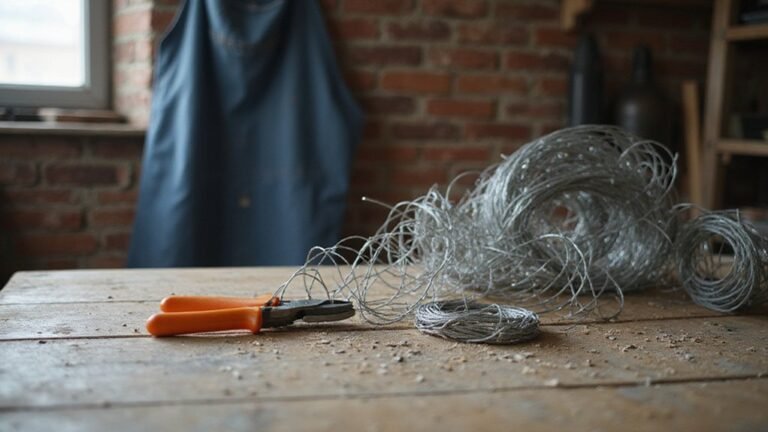
A chicken run is a securely fenced outdoor area attached to your chicken coop, providing a safe space for your flock during daylight hours. It typically features wire mesh sides and a protective roof, with the ground left open so chickens can scratch and forage naturally. This setup helps prevent damage to your garden while shielding your chickens from daytime predators like hawks and foxes. For optimal roosting comfort and safety, consider that roosting bars should be placed at a height that allows chickens to perch easily without injury. Ensuring the wire mesh is properly installed requires knowing how to cut chicken wire cleanly to avoid sharp edges and gaps. A durable run often includes a well-ventilated coop to maintain healthy airflow and reduce moisture buildup.
Providing 5 to 8 square feet per chicken ensures they have enough space to move comfortably, forage, dust bathe, and peck at bugs, which supports their physical health and mental well-being. The run allows your chickens to enjoy fresh air and sunlight, promoting better egg production and overall happiness. Properly constructed, a chicken run offers a balanced environment that combines the benefits of free-ranging with essential safety features.
How Does a Chicken Run Differ From a Coop?
A chicken run differs significantly from a coop in purpose and design. Your coop is a small, enclosed shelter of around 1 to 2 square feet per bird, mainly used for nighttime roosting, egg laying, and predator protection. It provides a secure space where chickens can rest safely and be kept clean through regular cleaning routines. Structurally, it’s usually an elevated wooden box with solid walls to shield your birds from weather and predators.
In contrast, the run offers 8 to 10 square feet per hen for active daytime activity. It’s an open, wire-mesh enclosure that allows chickens to forage, dust bathe, and enjoy sunlight. The run prioritizes exercise, mental stimulation, and natural behaviors. While it’s designed to be predator-proof, its primary function is to give your flock space to move freely during the day.
Both are essential, but they serve different roles. The coop keeps your chickens safe at night and provides a secure nesting spot, while the run promotes their physical health and enrichment during the day. They complement each other but cannot replace one another completely.
3 Big Health Wins Your Flock Gets From a Run
A run offers three key health benefits for your flock. First, it transforms their diet through natural foraging. Your chickens will scratch for grass, insects, and greens, increasing their intake of Beta Carotene, Vitamin E, and Omega-3s. These nutrients improve digestion and egg quality more effectively than pellets alone. Applying the same principles used for food preservation, you can use vacuum sealing techniques to store your flock’s surplus greens for winter feeding. For outdoor shelter, well-designed nesting boxes help protect eggs from the elements and predators while encouraging regular laying. You can even speed up the breakdown of soiled bedding by using a compost tumbler for easy recycling of organic waste.
Second, a run encourages daily exercise that builds strength. When your birds run, flap, and dust bathe, they help prevent obesity and promote healthy circulation. This movement also strengthens their muscles and bones, making fractures less likely and reducing aggression caused by boredom.
Third, keeping the run clean and dry significantly lowers disease risk. Dry soil inhibits pathogens like E. coli, while dust bathing naturally controls mites. Less stress from overcrowding and reduced parasite activity boost your hens’ immunity. As a result, you’ll notice healthier, happier hens producing stronger eggs with fewer visits to the vet.
Why a Chicken Run Stops Predators
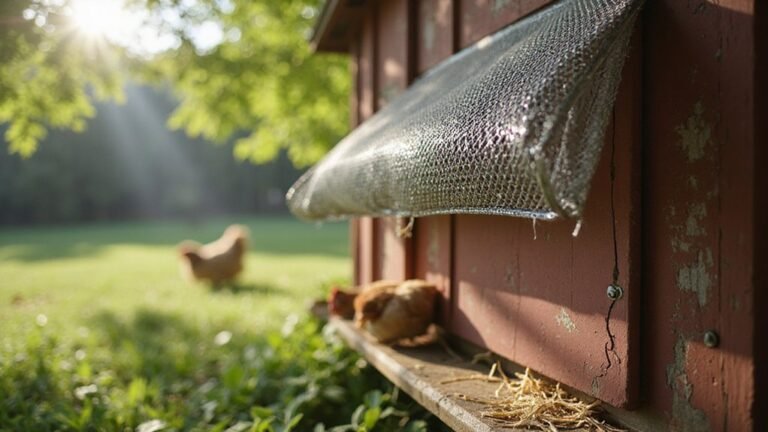
A well-designed chicken run uses predator behavior against them. Installing ½-inch hardware cloth on all sides, the roof, and the floor creates a strong barrier. Bury this cloth at least 12 inches underground and extend an 18-inch apron outward to prevent digging predators like foxes or raccoons from tunneling in. Cover the top with welded wire or solid roofing to block swooping predators such as hawks and owls. Use 2-step locks on doors because raccoons cannot operate them, adding an extra layer of security. Seal every gap tightly to close off entry points, and store feed in metal barrels to remove attractants. For sealing these storage containers, using the best bag for vacuum sealer ensures feed stays dry and airtight. Eliminating trash, pet bowls, and other food sources attracts fewer predators. For the best overall protection, consider using a raised garden bed cover to reinforce the run’s structure. By tailoring your defenses to predator tactics, you turn your run into a virtually impenetrable fortress. For added protection, consider the best roost options that complement your run’s security features.
How Much Space Does Each Bird Need in a Run?
A good rule of thumb is to provide 8 to 10 square feet per standard-sized chicken in the run. This space allows your flock to stay healthy, active, and comfortable. Bantams can get by with about 5 to 6 square feet per bird, but larger breeds need more room to prevent stress and promote wellbeing. Giving your birds ample space also benefits their feather coloration and egg production. For optimal welfare, aim for 15 to 18 square feet per bird, which supports brighter plumage and higher egg output. To find out how much total space you’ll need, multiply your flock size by your chosen square footage. For instance, 10 hens at 10 square feet each require a 100-square-foot run. Remember, more space generally results in healthier, happier birds and better productivity, so it’s worth investing in as much room as you can provide. A well-designed run should also include a dedicated chick feeder diy to ensure young birds can access feed without waste or contamination. Unlike the models used in stop-motion films like Chicken Run to animate characters, your chickens are living birds that need real, spacious enclosures to thrive. Similarly, dedicated wood duck nesting boxes provide a secure, species-specific habitat that encourages successful breeding and protects vulnerable eggs.
Best Chicken Run Designs: Rectangular vs. A-Frame
Rectangular runs are better suited for larger flocks of 5 to 10 hens, offering maximum interior space for scratching and movement. You’ll build a four-sided structure with sturdy perimeter fencing made from vertical posts and hardware cloth to keep predators out. The roof can be flat or slightly pitched to prevent water from pooling, but maintaining that pitch is essential to avoid wood rot over time. For the frame, you can apply DIY wood construction techniques learned from building a compost bin to ensure strong and durable corners. For long-lasting hydration equipment, consider using copper watering cans to avoid rust and improve durability.
A-frame runs are ideal for smaller backyards and provide a peaked roof that sheds rain and snow efficiently. This slope reduces dampness inside and prevents buildup of moisture, which is healthier for your flock. The sloped sides also act as a natural barrier against aerial predators. Keep in mind, A-frame designs tend to take up less floor space and are portable, making them a practical choice for limited yard footprint.
Both designs need strong corner framing and well-aligned posts to withstand wind and prevent predators from digging underneath. Your choice should balance flock size, available outdoor space, and climate resilience—think about how much protection from the elements and predators you need and how much room you want to allocate to your flock.
Which Fencing and Roofing Materials Keep Birds Safe?
Galvanized hardware cloth with ½-inch openings is the best fencing material for keeping your chickens safe from predators. Large openings like chicken wire allow raccoons to reach in or squeeze through, and dogs can tear through it. In contrast, hardware cloth’s small openings prevent even determined predators such as weasels, snakes, and bears from gaining access. Bury the wire at least 12 inches underground or create an outward-facing L-shaped apron to stop diggers from burrowing underneath. Using predator scent barriers, like urine-based deterrents, can help reinforce the fencing, but secure mesh material is your primary defense. For a long-term storage solution, sealing feed bags with a food vacuum sealer prevents spoilage and deters pests. For example, recycling egg cartons from your flock’s feed is a simple way to reduce waste, just like reusing sturdy containers around the homestead. For keeping your sourdough starter, selecting BPA-free glass jars ensures safe fermentation without chemical leaching.
How to Build a Run Frame: Posts, Gate, and Stability
To build a sturdy run frame, start by digging 2-foot post holes at each corner and every 2 meters along the sides. Use a spirit level to ensure each post is plumb before backfilling and firmly packing the soil around it. For the gate, measure the opening and assemble a 2×4 frame, reinforced with L-brackets and a diagonal 1×4 for added stability. Hang the gate using three heavy-duty hinges to support its weight and facilitate smooth movement. When selecting a waterer for the run, consider a top waterer for chickens to ensure your flock has constant access to clean water. For those who preserve food from their garden, a food dehydrator is a valuable tool for drying surplus harvests.
Stability is crucial, so nail horizontal 2x4s across all the tops of the posts and add diagonal braces to prevent lateral shifting. Install angled rafters to support the roof structure. Staple welded wire fencing every 6 inches, sinking it 4 inches into the ground to deter burrowing predators. Wrap the wire over the top edge to block aerial predators from reaching inside. To enhance durability and appearance, you can add decorative fencing, and including weatherproof roofing will protect your flock from rain, snow, and other elements. For those also hatching chicks, using a reliable egg incubator ensures a consistent temperature for the eggs before they join the run.
Simple Monthly Checks to Keep Your Run Secure
Regularly inspect your run’s perimeter every month to ensure it remains secure. Walk the entire boundary, looking for signs of digging attempts or gaps in buried fencing. Check for predator evidence such as disturbed soil or chewed wire. Examine overhead netting for tears that could invite aerial predators like hawks. Test all latches and doors by snapping them shut to verify they lock properly. After storms, carefully examine posts for rot and joints for damage, since weather can weaken structural integrity. Don’t ignore small gaps; seal them immediately to prevent entry. Also, observe bird behavior—nervousness or rapid movements can signal a breach. Near the walls, look for rodent droppings or burrows that could indicate an intrusion. A secure run is maintained through consistent monthly checks; your vigilance is always the first line of defense.
How to Connect a Chicken Run to Your Coop for Easy Access
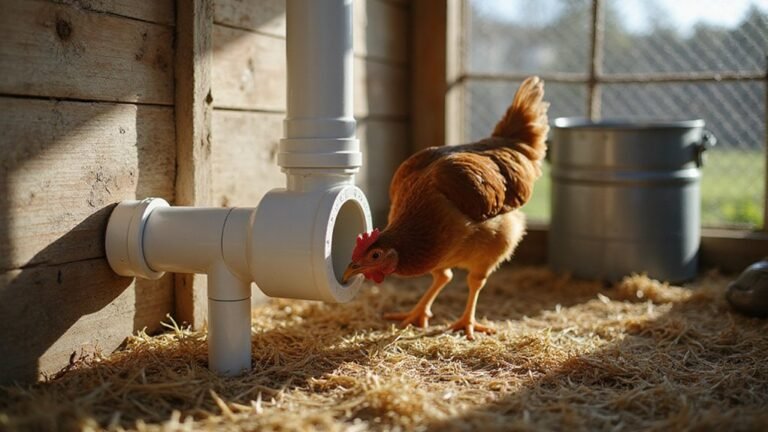
To connect your chicken run directly to your coop for easier daily access, start by measuring your coop’s wall to determine the appropriate size for the run entrance. Cut a hole slightly larger than your chickens’ bodies—about 8 to 10 inches wide and tall—to allow easy movement while preventing predators from squeezing through. Install a sturdy chicken door with a latch or self-closing mechanism to add a layer of predator deterrence.
Secure the run frame flush against the coop using heavy-duty brackets, ensuring there are no gaps that predators could exploit. Reinforce the opening with 2×4 braces on all sides. Attach wire mesh firmly around the opening using twisting wire or staple guns, making sure no edges are loose or sharp. Drive the run poles at least one foot deep into the ground for stability, especially in windy areas. Cover the top with netting to keep aerial predators like hawks away, and consider decorative fencing around the perimeter for added visual appeal and to block small predators. Finally, smooth all sharp edges of the wire and verify that the self-closing door works reliably—this setup will give you safe, quick access to your flock every day. When attaching the wire mesh, pull it tight to eliminate slack and staple systematically along the edges for a secure barrier that withstands climbing animals.