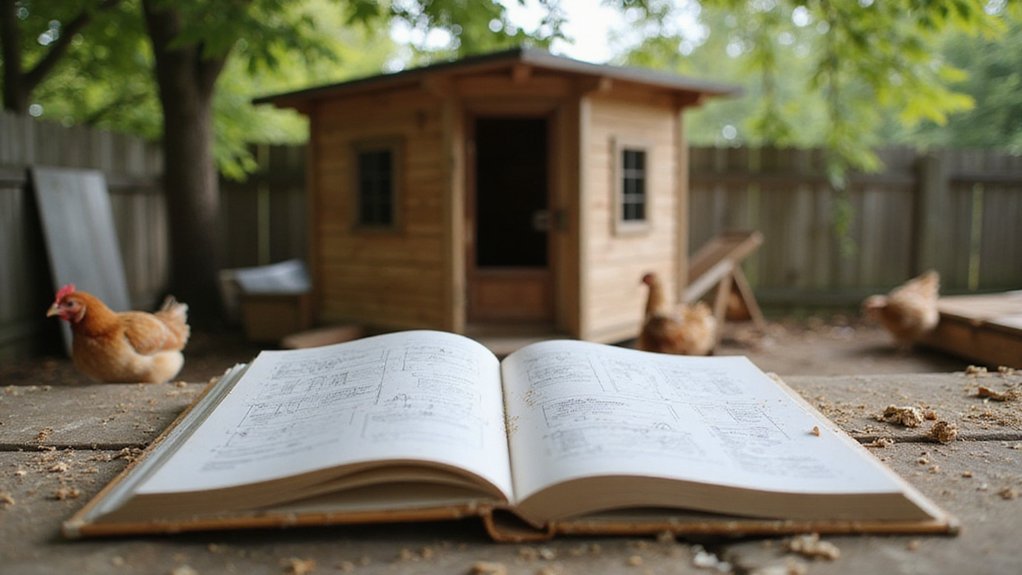
DIY Chicken Coop Design: A Complete Guide
Thinking about building a chicken coop that’s safe, durable, and comfortable for your flock? Starting with a solid raised foundation and quality materials makes all the difference. A well-designed coop keeps out predators, blocks dampness, and provides proper ventilation so your chickens stay happy and healthy.
In this guide, you’ll learn simple, effective steps to create a coop that lasts and protects your birds. Keep reading to discover how to get it right from the ground up.
Build a Raised Coop Foundation That Blocks Dampness and Predators
Choose a high, well-drained spot for your coop and avoid low areas where water tends to pool after rain. Perform soil testing to confirm quick drainage; clay-heavy soil retains moisture and will require amendments. For optimal water management, consider positioning the coop near your existing rain barrel system to channel rooftop runoff efficiently. Build a raised foundation with concrete blocks, leaving 6 to 12 inches of clearance. This height helps block dampness and provides a barrier against predators. Bury hardware cloth 12 inches deep around the perimeter to prevent burrowing animals from tunneling underneath. Extend the foundation slightly beyond the coop’s footprint and slope the ground away to ensure proper runoff. Use pressure-treated lumber for support and cover the underside with wire mesh, creating a dry, secure base before constructing the walls. For added durability, consider selecting top-reviewed coops that feature robust construction and predator-proof designs. A worm-based composting system can be integrated beneath the coop to process chicken manure into nutrient-rich compost for your garden.
Frame Coop Walls That Keep Chickens Safe and Warm
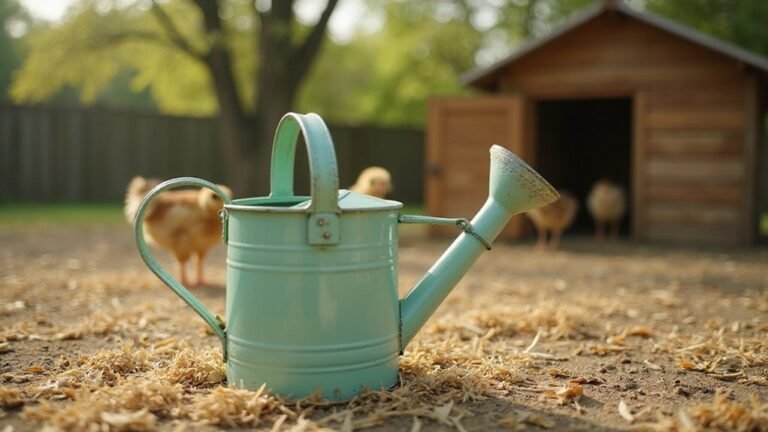
To frame the walls securely, start by cutting all lumber to consistent lengths and double-check each measurement before assembly. Use a framing square to ensure perfect, sharp corners. Reinforce every opening—such as doors and windows—with extra lumber to increase strength. Install diagonal braces in the corners to prevent the coop from shifting or shaking. For additional stability, add gussets or metal brackets at key joints. To protect the wood from moisture and weather damage, choose treated lumber or coat untreated wood with a weatherproof stain. Seal all joints with outdoor-grade caulk to block moisture and drafts. Installing insulation between wall studs helps retain warmth, but make sure to leave space for predator deterrents. Use a framing square to check that all wall sections are perfectly square before fastening them to the base. Secure all fasteners tightly and reinforce the base to keep the structure from shifting over time. Mark door and window placements early in the framing process, then frame around them carefully to maintain overall strength. Additionally, install corrugated panels on walls to act as windbreaks, helping to block drafts and maintain interior warmth. The goal is to create a rigid, sealed wall that resists wind and provides a safe, warm environment for your chickens. For capacity planning, consider the average daily water consumption of your flock when selecting the biggest watering can for easy refilling without multiple trips. For the wood used in the walls, select a naturally rot-resistant or treated lumber option to ensure long-term durability against soil and moisture exposure.
Build a Sloped Roof That Sheds Rain and Snow
To build a sloped roof that sheds rain and snow effectively, start by determining your ideal roof pitch based on your climate. For most regions, a minimum pitch of 3:12 is sufficient, but for areas with heavy snow loads, a pitch of 4:12 or steeper is recommended. Select durable metal sheets and overlap them to prevent leaks, then add waterproof underlayment beneath the panels to seal all joints. For a reliable and long-lasting seal, Ball Mason jars can also be used to store extra sealant or screws. Install an 8 to 12-inch overhang to direct runoff away from walls and prevent mud buildup near doors. Secure the roofing with one-inch screws and apply silicone sealant over each fastener to prevent water from penetrating. Rafters must be precisely placed to evenly distribute snow loads of 2-3 feet and support the weight of accumulated precipitation. For extra protection against rodents, attach hardware cloth to the underside of the overhang or gable ends. Add roof insulation beneath the sheathing to maintain a stable temperature inside your coop. To block pests and wildlife from nesting, install deterrents such as metal flashing at eaves and vulnerable entry points. When constructing supports, ensure they are level and add cross braces to strengthen the structure against accumulating snow weight. Proper planning and careful installation help ensure your sloped roof functions efficiently over time. For optimal interior coop layout, position roosting bars at a height that allows chickens to perch safely and stay clean.
Add Ventilation and Predator-Proof the Coop Openings
Proper ventilation and predator-proofing are vital to a healthy coop. Install vents high above the roosts to allow fresh air to circulate without creating cold drafts. These vents should be at least 1 square foot per 10 square feet of coop floor space to ensure adequate airflow. Cover all openings with 1/2-inch hardware cloth—never staples—to prevent rats, snakes, raccoons, and other predators from entering. Secure the cloth with screws into the framing, which should be made from 2×4 lumber to provide stability. Frame around every opening and screw the hardware cloth directly into the wood. For the soil base inside the coop, using a mix similar to the best soil for raised beds can improve drainage and reduce moisture buildup. Using a top food dehydrator for jerky ensures consistent drying for any meat you process. A similar approach to wood duck nesting boxes can help ensure predator-resistant entry points for all poultry housing.
Place vents on opposite sides of the coop to create cross-flow ventilation, which helps maintain a dry environment year-round. Keep vents open 24/7 during most weather conditions but close them securely during extreme storms. Additionally, add low vents 12 to 18 inches above the floor for summer airflow, but never position them at roosting height. Close windows securely at night to prevent drafts and keep predators out. This setup keeps your coop well-ventilated, dry, and protected from intruders.
Hang the Door and Finish Your Chicken Coop Weatherproof
To securely hang the door and prevent predators and drafts, start by carefully pre-drilling pilot holes for the hinges. This prevents the wood from splitting and ensures proper alignment. Mount the door so that it is 6 to 12 inches above the coop floor, which allows for clean movement and minimizes debris getting trapped under it. Attach each hinge with two screws on each side to guarantee sturdy support, and for extra strength, use 1.25-inch screws instead of the standard hinge screws. For a more eco-friendly waste system, a compost bin can also be placed nearby to handle coop refuse.
Once the hinges are in place, install the automatic door controller approximately 10 centimeters above the door rails using self-tapping screws. This positioning keeps the mechanism protected from weather and debris. For added weatherproofing, install a shelf directly above the controller to shield it from rain and wind. Cover the sides and top with timber or cement sheets to further block wind and rain from entering the coop.
Finally, test the door to ensure it swings smoothly without gaps and that the latch is predator-proof. Make adjustments if necessary to guarantee reliable operation and security. Proper door hanging and weatherproofing will help keep your chickens safe and comfortable in any weather.