How Many Ounces Are Mason Jars?
Wondering how much a mason jar holds?
You’ll find that they range from tiny 2-ounce jars to large 128-ounce ones, with common sizes like 8-ounce half-pints, 16-ounce pints, and 32-ounce quarts.
Choosing the right size depends on what you plan to store or preserve.
Keep reading to discover the perfect jar for your project.
Mason Jar Sizes: Complete List by Fluid Ounces
Mason jars range from 2 oz mini jars to 128 oz gallon jugs, providing a variety of options for different needs. For small projects like spice shakers or candle holders, 4 oz jars are ideal because their size is perfect for tiny quantities or decorative uses. Medium-sized jars, such as 12 oz, work well as single-serve vases or for craft supplies, offering a good balance of capacity and portability. Larger sizes like 48 oz or 64 oz are great for fermenting foods, bulk storage, or tie-together gift sets with labels. Keep in mind that mouth opening sizes influence how easy it is to fill or clean the jar; regular 2.75-inch openings are suitable for jams and spreads, while wide mouths simplify pouring and cleaning for larger items. From 2 oz samples to 96 oz brining vessels, each size unlocks specific storage or craft possibilities. A similar principle of choosing appropriate container size applies when using a chicken tractor for moving poultry between fresh forage areas. For poultry keepers, a similar principle applies when selecting best chicken coops for housing a flock, and for attracting cavity-nesting waterfowl, wood duck nesting boxes should be chosen with equal care regarding size and opening.
The 3 Most Common Mason Jar Sizes: 8, 16, and 32 Oz
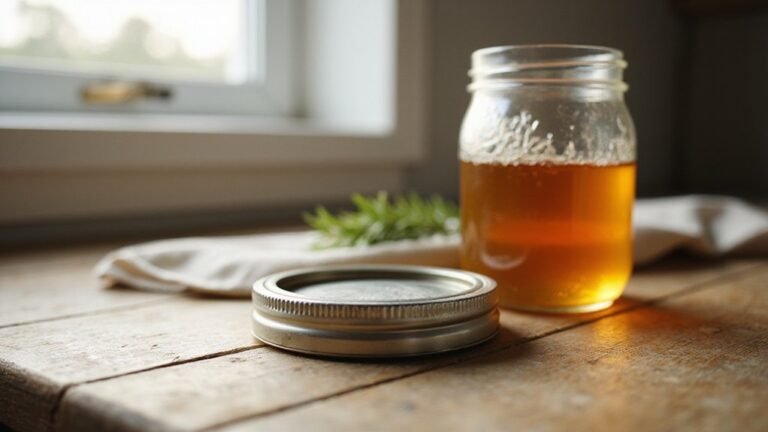
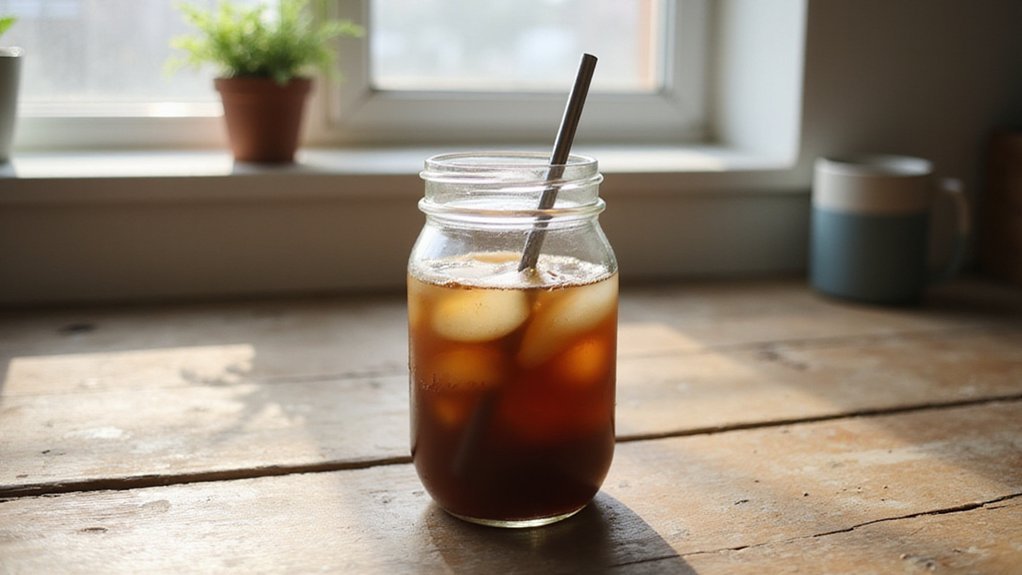
The three most common Mason jar sizes are 8 ounces, 16 ounces, and 32 ounces. The 8 oz half-pint jar, with its historical significance in home canning, is ideal for small quantities like jams, honey, or individual servings. Its height measures approximately 3.75 inches, making it perfect for single-use projects, crafts, or samples. The 16 oz pint jar is the most versatile size, often used for storing soups, salads, overnight oats, or cold brew because it suits everyday portioning and meal prep. It’s a popular choice because of its manageable size and practicality. The 32 oz quart jar is larger and designed for bulk storage or making larger batches of beverages such as iced tea or infused water. For those seeking lightweight alternatives, plastic mason jars offer durability and shatter resistance for everyday use. Whether used for preserving grains, beans, or organizing pantry staples, these three sizes cover the majority of common household needs efficiently. Homesteaders often repurpose 32 oz quart jars for mixing small batches of compost starter or storing dry kitchen scraps destined for the bin. Compost bin selection depends on the volume of scraps and available space in your home or garden.
Small and Large Mason Jar Sizes: 4 Oz, 24 Oz, and 64 Oz
The 4 oz jar is perfect for small-scale uses like single-serve jams, spices, or tiny candles. Its compact size makes it ideal for packed lunches as a condiment container or for testing new pickle recipes with a small batch. Because it’s short and sturdy, it fits easily into tight spaces, making it a convenient choice for sample-sized portions or gift packaging. For homesteaders focused on efficient watering, a 2 gallon watering can offers a similar balance of portability and capacity for garden tasks. When selecting equipment for your homestead, choosing a durable poultry feeder ensures long-lasting performance similar to these reliable jars. For the garden bed itself, the soil mix must provide proper drainage to support healthy plant growth.
The 24 oz jar, often called a pint-and-a-half, offers extra room for larger drinks or overnight oats without needing a full quart jar. It strikes a good balance between capacity and manageability for everyday storage. It’s especially handy for kombucha starters, bulk salad dressings, or smoothie ingredients that need a little extra space without overwhelming your shelves.
The 64 oz half-gallon jar is designed for bulk storage needs. It’s large enough to hold flour, sugar, or cold brew coffee, making it a favorite for pantry organization. Keep in mind, it’s not suitable for pressure canning because the heat doesn’t penetrate evenly, but it works well for dry goods or decorative items like terrariums. Its size allows for significant storage, reducing the number of trips to replenish your supplies.
Wide Mouth vs. Regular Mouth: What’s the Difference?
The key difference is the opening size: wide mouth jars have a 3.37-inch opening, while regular mouth jars measure 2.75 inches. This size impacts how you fill, pour, and clean the jars. The wider opening of a wide mouth jar makes scooping dry goods, packing large fruit chunks, or cleaning much easier. It also showcases vintage branding on the rim, making it ideal for decorative purposes. On the other hand, the narrower opening of a regular mouth jar prevents splashing when drinking directly from it. This size is perfect for pouring liquids like coffee or juice. Keep in mind that lids are not interchangeable between sizes; wide mouth lids won’t fit regular mouth jars. For canning big preserves or handling larger items, choose wide mouth jars. If you plan to use the jar for drinking or pouring beverages, a regular mouth jar is more suitable. Additionally, when freezing glass mason jars, leave adequate headspace to prevent breakage from liquid expansion. For long-lasting outdoor projects, raised garden beds are often built with rot-resistant cedar. To preserve the freshness of dry goods in these jars, you can use a vacuum sealer bag to remove air and extend shelf life.
Why Mason Jar Sizes Use Fluid Ounces, Not Cups
Mason jar sizes use fluid ounces instead of cups because fluid ounces provide a precise, standardized measurement fundamental for safe canning. Unlike cups, which vary between countries—US cups hold 8 fluid ounces, while UK cups contain 10—fluid ounces remain consistent worldwide. This consistency ensures you know exactly how much liquid a jar can hold, which is crucial for calculating proper headspace and sterilization times during processing. Manufacturers also label jars with fluid ounces to streamline pricing strategies and material specifications, as constant volume measurements allow for accurate glass thickness calculations to withstand pressure. Using fluid ounces helps prevent overfilling that could compromise the seal or underfilling that affects safety, ensuring optimal results every time. Relying on fluid ounces means you can trust the volume measurement, since canning instructions from reputable sources like Ball or the FDA depend on this universal and exact unit. Ultimately, it’s about guaranteeing safety, accuracy, and consistency—things you can depend on with every use.
How to Choose the Right Mason Jar Size for Your Task
Matching your mason jar size to your task is essential for efficient storage and ease of use. For preserves like jams and jellies, 4 oz to 8 oz jars work best because they prevent excess air exposure and are perfect for small batches or gift jars. When storing pickles or whole fruits, larger jars between 16 oz and 32 oz provide enough space for full, submerged contents without overflowing.
For sauces and honey, 8 oz to 12 oz jars offer the right size—small enough to keep oils and syrups fresh while still being manageable. Wide mouth jars make filling chunky items or cleaning easier because you can reach in comfortably and handle ingredients without fuss. If you plan to gift or decorate, vintage styles or decorative jars add charm while still serving a functional purpose. For those who also attract birds to their garden, consider using best bird nesting boxes to provide safe shelter near your storage area. For building a durable structure near your jars, treated lumber resists moisture and rot well.
For meal prep or bulk storage, larger jars—32 oz to 64 oz—are suitable because they hold substantial quantities and reduce the need for frequent refills. Fermentation projects demand even bigger vessels, typically 64 oz to 128 oz, to accommodate the gases produced during fermentation without risk of overflow. Remember that physical dimensions matter: smaller jars like 4 oz fit comfortably in refrigerator doors, while larger 32 oz jars require deeper shelves to store safely. Choose a mouth type based on your task—regular for liquids or thin contents, wide for chunkier or solid ingredients. Many of these sizes are available in top-rated mason jar brands for reliable food storage.