Food Dehydrator vs Freeze Dried: Which Is Better?
Are you trying to decide between a food dehydrator and freeze drying for long-term storage?
If so, you’re looking at two popular options that serve different needs.
Freeze drying removes almost all moisture, keeps nutrients high, and can preserve food safely for decades. Dehydrators are more budget-friendly and ideal for everyday use, but their food won’t last as long.
Keep reading to find out which method fits your goals best.
How Do Freeze Drying and Dehydration Work?
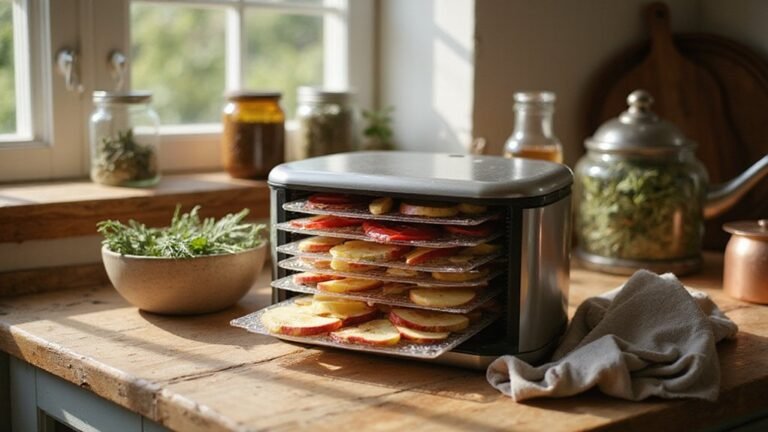
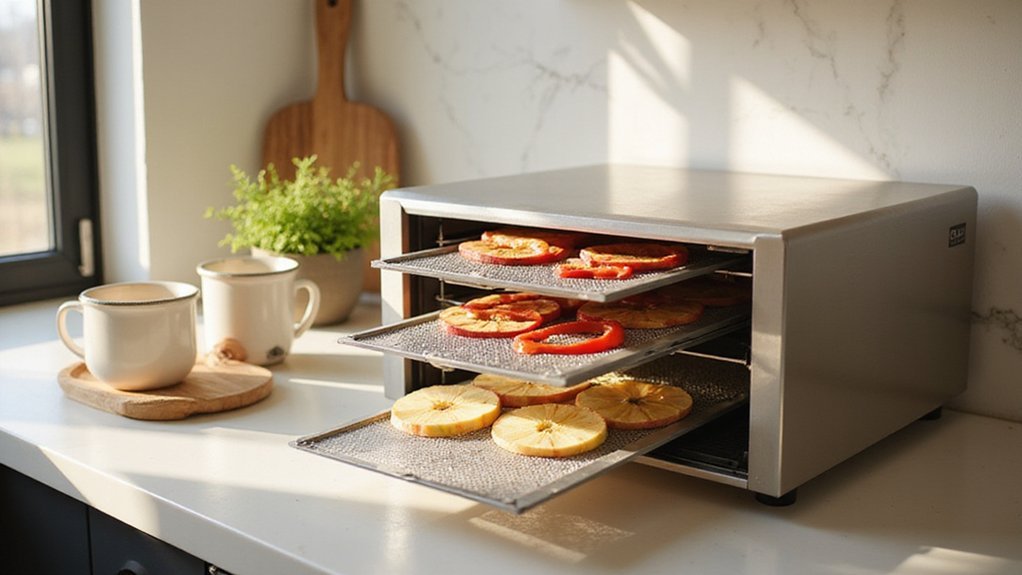
Freeze drying works by first freezing your food to -40°F, which locks water into ice. The vacuum process then lowers pressure below 0.036 psi, allowing a phase change called sublimation where ice changes directly into vapor without becoming liquid. A small amount of heat is applied during this process, providing just enough energy for sublimation without melting the ice. This careful control preserves the food’s structure and flavor. This process also locks nutrients and proteins during the gentle removal of water. In contrast, feeders for Silkies chickens must be designed to accommodate their unique fluffy head feathers and small beaks. For homesteaders who cannot afford expensive machinery, hatching duck eggs at home without an incubator follows a similarly precise process of maintaining stable warmth and humidity. For budget-conscious users, a food dehydrator offers a more affordable alternative to freeze drying.
As a result, up to 99% of the moisture is removed from the product. The remaining structure becomes porous and stable, making the food lightweight and easy to rehydrate. Typically, rehydration takes less than five minutes, and the shelf life can extend beyond 25 years if stored properly. This method is ideal for preserving food while maintaining most of its original qualities.
Does Freeze Drying or Dehydration Fit Your Budget?
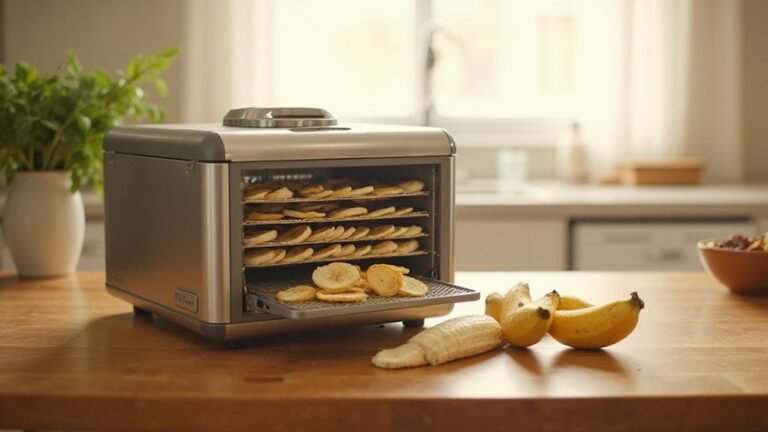
Freeze drying requires a significant upfront investment, with entry-level models starting around $1,500 and popular units reaching up to $4,000. Dehydrators, in contrast, can cost as little as $40 to purchase. However, ongoing energy expenses differ substantially: freeze drying consumes about $6.51 per 30-hour cycle, whereas dehydrators use roughly $0.86 for 10 hours. This results in approximately 87% energy savings with dehydration. However, if you are comparing long-term food storage for a homestead, chicken coop reviews show that dehydrators are often the more practical choice for preserving feed or treats. Equipment longevity also influences cost considerations. Well-maintained freeze dryers can last several years, justifying their higher initial price if you plan for long-term, high-quality food storage. Dehydrators tend to be cheaper to replace and are suitable for casual or small-scale use. For those weighing long-term durability and maintenance, comparing raised bed materials can help inform similar decisions about investing in garden structures versus food preservation equipment. If your total budget is under $1,000, dehydration is the more budget-friendly choice. For those prepared to spend $2,500 or more, freeze drying offers superior long-term storage benefits. When selecting wood for a raised garden bed, cedar is naturally rot-resistant and often recommended for its longevity.
Does Freeze Dried Food Have More Nutrients?
Freeze-dried food retains 90 to 97 percent of its original nutrients, making it a top choice for preserving nutritional value. This high retention rate outperforms dehydration, which typically retains only around 60 percent. The key lies in the low-temperature vacuum process, which protects heat-sensitive vitamins such as vitamin C, keeping up to 98 percent of these nutrients intact. Proteins and minerals are also nearly unchanged, with retention rates between 95 and 100 percent. Notably, antioxidant levels in freeze-dried produce can even surpass those in frozen options. Thanks to its cellular structure remaining undamaged, phytonutrients and fiber are effectively locked in. You don’t need to sacrifice nutrition for convenience, as freeze drying prevents vitamin degradation and oxidation. Proper storage can minimize nutrient loss to less than 10 percent over 25 years, providing a nutrient-rich option that rivals fresh food without spoilage. For additional effectiveness, using one of top nesting boxes can help keep dried goods stable in a pantry setup. Achieving these savings begins with finding a good vacuum sealer at a reasonable cost.
Freeze Dried vs. Dehydrated: Which Lasts Longer?
Freeze dried food lasts significantly longer than dehydrated options, typically maintaining safety and quality for 25 to 30 years. It removes 98–99% of moisture through sublimation, which prevents microbial growth and spoilage over the long term. In contrast, dehydrated foods eliminate only 80–95% of moisture and generally spoil within 1 to 5 years because they retain enough moisture to support microbial activity. The cellular structure of freeze dried food remains intact, helping preserve flavor and texture while resisting spoilage. Dehydrated foods often collapse during drying, absorb moisture more quickly, and lose quality over time. Commercial dehydration methods usually cap at about 15 years of shelf life, making freeze drying the preferred choice for extended storage durability. For homesteaders focused on long-term preparedness, clay watering cans offer a complementary, low-tech method for maintaining moisture in garden soil, unlike these food preservation techniques.
When to Choose Freeze Dried Over Dehydrated Food?
Choose freeze-drying over dehydration when preserving high-moisture ingredients, delicate items, or heat-sensitive foods. Freeze-drying maintains structure, nutrients, and quick rehydration—often under five minutes—making it ideal for backpacking or emergency situations. It preserves flavor, color, and aroma far better than dehydration because it avoids the heat process that can cause volatile oils to escape and colors to fade. Nutritional retention reaches 97 to 99 percent, whereas dehydrated foods can lose up to half their nutrients. This method keeps delicate berries crisp instead of leathery. Meats and dairy rehydrate to a fresh-like texture rather than becoming tough or crumbly. When working with produce that has a high moisture content, freeze-drying prevents shrinkage, preserving the original shape and appearance of the food. If you prioritize fast rehydration with minimal fuel use or need to store heat-sensitive ingredients like herbs or eggs, freeze-drying is the superior choice. Freeze-dried foods can be stored for up to 25 years with proper packaging, far exceeding the typical one-year shelf life of dehydrated items. For long-term storage, vacuum sealing freeze-dried foods provides an effective barrier against moisture and oxygen, similar to the benefits highlighted in vacuum sealer preservation methods. In contrast, dehydrating basil at a low temperature setting below 95°F helps retain its volatile oils and avoids the heat-induced loss that freeze-drying inherently prevents. For those who enjoy preserving other items like beverages, a mason jar with handle offers a durable and convenient container for storing freeze-dried powders or rehydrated drinks.