Can You Put Meat in a Compost Bin?
Wondering if you can add meat to your compost bin? It’s possible, but it requires careful handling to avoid attracting pests or creating odors.
Meat needs to be chopped small, buried deep, and balanced with plenty of carbon-rich materials to break down safely. Keep reading to learn the proper way to compost meat and other simple options.
Yes, You Can Compost Meat: If You Follow These Rules
Yes, you *can* compost meat, but only if you follow a strict set of rules. To effectively break down meat and prevent issues, bury small pieces at least 12 inches deep within your pile. This depth helps reach the ideal temperature of 130 to 160°F, which kills harmful bacteria and deters rodents. Maintaining this temperature for five consecutive days is essential; repeat this heat cycle three times to ensure sterilization. Chop meat into small fragments to speed up decomposition and make it less visible. Cover the meat with three times the volume of carbon-rich materials like dry leaves or wood chips—these help absorb odors and hide the meat from scavengers. Start with a layer of browns, add your chopped meat, then top with four to eight inches of carbon materials. Turning the pile after each heat cycle ensures even temperature distribution and faster breakdown. Additionally, using a garden bed cover can help maintain optimal temperatures and keep out pests. Skipping proper preservation increases the risk of creating an unsafe compost that could attract pests or harbor bacteria. For a successful hot compost, consider using a well-ventilated coop design to maintain consistent airflow and temperature control. Choosing a food dehydrator can also help dry meat scraps before composting, reducing moisture and odor.
What Happens to Meat Inside Your Compost Bin?
Burying meat scraps deep inside your compost bin encourages rapid decomposition because the buried environment traps heat and moisture essential for microbial activity. Meat spoilage begins as bacteria that thrive on high-protein content multiply quickly, releasing nitrogen and altering the carbon-to-nitrogen ratio essential for composting balance. As decomposition advances, fungi and actinomycetes move in to break down tougher connective tissues and remaining fats. Raw meat generally breaks down faster than cooked because it contains less fat, but both types require sustained internal temperatures of around 140°F for at least five days to effectively kill pathogens such as E. coli. During decomposition, the meat reduces significantly in size, releasing amino acids that fuel microbial growth. However, bones tend to persist indefinitely, and excess fats can create anaerobic pockets if not thoroughly covered. To improve heat retention, a raised garden bed depth of at least 12 inches helps maintain the necessary temperature for meat breakdown. Acidic conditions may develop as decomposition progresses, which may need additional carbon material to neutralize the pH and keep the compost balanced. Additionally, the decomposition time can extend to 4-6 months for complete breakdown, increasing potential health risk if improperly managed. Choosing a nesting box specifically designed for rabbits can help maintain consistent heat and moisture levels during this process. Maintaining a balanced carbon-to-nitrogen ratio is critical when adding high-protein meat scraps to avoid odors and slow decomposition.
Why Pests, Odor, and Bacteria Make Meat Composting Risky
Meat significantly increases the risk of pests, odors, and bacteria disrupting your compost. Because meat attracts pests such as rats, raccoons, and flies, it quickly unbalances your compost bin and invites disease. These scavengers damage the bin structure and scatter raw scraps, making cleanup difficult. As meat decomposes, it produces foul odors that can linger and bother neighbors. Bacterial pathogens like Clostridium perfringens can survive in cold compost piles, contaminating your soil and crops when the compost is used. Sealed containers are not a foolproof solution, as even faint smells can attract vermin. Meat tends to rot instead of breaking down naturally like plant matter, creating anaerobic conditions that compromise the compost’s integrity. This mess can become a vector for infection, turning your compost pile into a health hazard rather than a valuable garden resource. This imbalance causes an excess nitrogen that makes bacteria overly active. Choosing the best insulation for your chicken coop can help control temperature extremes that exacerbate decomposition issues. Selecting a design that offers top roost options further supports sanitation by keeping birds off the ground and away from spoiled materials.
How to Compost Meat Safely at Home (Step by Step)
Composting meat safely at home requires a careful, step-by-step approach to avoid pests, odors, and bacteria. Many homesteaders are advised that meat is something not to compost, but with proper methods it can be done safely. Start by chopping meat into small pieces, about one to two inches, to facilitate faster decomposition. Freezing the chopped meat briefly reduces initial smells and kills some bacteria. Pre-cook raw scraps thoroughly to eliminate harmful pathogens. When adding meat to your compost pile, bury it deep in the center where heat reaches between 140°F and 160°F. Maintaining this temperature for at least five days helps eradicate bacteria and minimizes pest attraction. Aim for a carbon-to-nitrogen ratio of 30:1 by adding plenty of brown materials like leaves, straw, or shredded paper. Immediately cover each meat layer with these carbon-rich materials to mask odors. Turn the pile frequently—about once a week—to promote oxygen flow and even heat distribution. Use a compost thermometer to monitor temperature levels and keep the pH neutral, ideally between 6.5 and 7.5. Using antique copper watering cans can provide an aesthetically pleasing and durable tool for moistening your carbon-rich layers. A durable watering can also helps homesteaders precisely moisten deep compost layers without disturbing the heat zone. Using dry, high-carbon materials such as wood shavings also helps prevent unpleasant odors during the process. After active decomposition, allow your compost to cure for several weeks before use, ensuring it’s fully broken down and safe.
Why Cooked Meat Is Way Less Risky Than Raw
Cooking meat reduces risk when composting because the heat destroys most dangerous pathogens beforehand. The cooking process slashes bacterial loads by about 99.9%, preventing live Salmonella or E. coli from entering your compost. Additionally, cooking breaks down the strong, rotting odors that raw meat releases, making your compost less attractive to pests like rats and flies. Cooked meat also decomposes more quickly because its ruptured cell walls and lower moisture content speed up microbial breakdown, typically completing in 10 to 14 days instead of lingering for weeks. To optimize your flock’s health while managing kitchen scraps, nesting box sizing ensures a clean and stress-free environment for your chickens. This process essentially preserves the meat scraps for safe composting, turning what could be a pest problem into a beneficial nutrient source. When choosing containers for your compost system, a Dollar Tree watering can offers an affordable and practical tool for moisture management. Building a PVC chicken feeder can also help keep pests away from your compost area.
Use Hot Bins or Bokashi for Better Meat Composting
Using hot bins or Bokashi are two effective ways to compost meat safely and efficiently. Hot bins maintain internal temperatures between 40 and 60°C, which helps to kill pathogens and accelerate protein breakdown. They require regular turning to introduce oxygen and prevent odor buildup, with bulking agents like wood chips used to facilitate airflow. If you use a microwave for other homestead tasks, be aware that Ball Mason jars are not designed for high-heat composting environments. Bokashi, on the other hand, ferments meat anaerobically using a specialized bran mix. This method doesn’t require heat and is ideal for indoor use or in cold climates. After 2 to 4 weeks of fermentation, you bury the fermented meat directly in soil, completing the composting process. Both approaches bypass raw meat risks and do not depend solely on cooking, making them versatile options suited to different spaces and climates. Vacuum sealer bags are not needed for these methods, unlike when storing meat for later use.
The Rule for Home Composting: Tiny Portions, Constant Turning
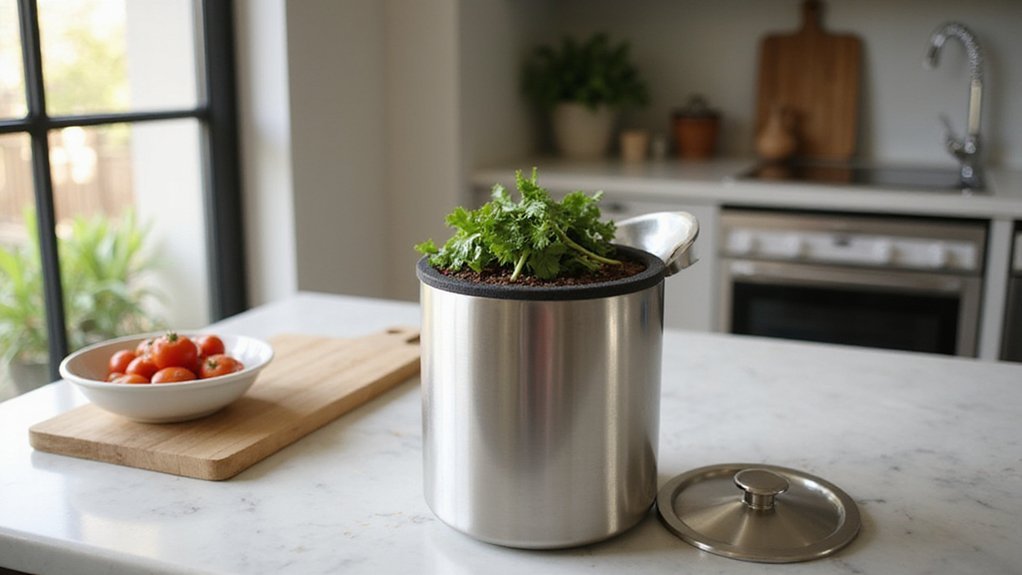
Composting meat at home is possible, but you must keep portions tiny and turn the pile constantly. Aim to limit meat scraps to less than 5% of your total organic waste volume. Scraps should be shredded into pieces no larger than two inches to promote proper decomposition and prevent odors. If meat exceeds 10% of your compost, it increases the risk of attracting rodents and producing foul smells. For homesteaders already managing dog waste, the same principle of burying scraps deep applies to keep pests away. Choosing a sealed kitchen compost bin can also help contain odors before transferring scraps to the outdoor pile. For those maintaining a chicken coop, the same focus on deep burial and regular turning helps prevent pests and odors in your compost system.
Frequent turning is crucial to bury meat deep within the hot interior core of the compost pile, which should reach temperatures between 130°F and 160°F. This process helps maintain three heat cycles, each lasting about five days, to effectively kill pathogens. Without regular turning, meat dries out on the surface, attracting flies and other pests. For safety, you must also wait at least 90 days before harvesting compost that contains meat or bones to ensure thorough decomposition.
Always bury meat scraps at least 12 inches deep under other organic layers. This depth helps prevent smells and pests from reaching the meat, while the layering ensures proper aeration and decomposition. Remember, regardless of the type of meat, the rule remains the same: tiny portions and rigorous turning are necessary for safe, effective composting.
When to Skip Meat Composting at Home (Expert Advice)
You should skip meat composting if your system cannot reach and sustain temperatures of 130°F to 160°F for at least five days. Most home compost piles lack the volume or insulation needed to achieve these high temperatures consistently. Without adequate heat, harmful pathogens like Salmonella and E. coli survive and can contaminate your finished compost, posing a risk to your garden soil. For a well-sealed system, you can consider using mason glass jars with lids for storing scraps temporarily before disposal, though this does not replace proper composting conditions.
In addition, meat scraps tend to attract pests such as rodents, raccoons, and flies. The strong odors emitted by meat waste draw these animals directly into your yard, especially if your compost bin is unsealed. Pests can scatter materials, cause messes, and disrupt the natural decomposition process. Without regular turning, adequate monitoring, and proper sealing, meat becomes an environmental nuisance and increases health risks.
For these reasons, it is best to avoid composting meat at home unless you have a specialized hot composting system capable of maintaining high temperatures. Focusing on plant scraps ensures your compost remains odor-free, pest-resistant, and safe for gardening.
Use Municipal Drop-Off Programs for Meat Waste
Using your city’s municipal drop-off program is the easiest way to dispose of meat waste responsibly. These programs accept all types of meat—raw, cooked, spoiled, bones, and shells—so you don’t need to worry about handling different meat forms or preserving leftovers. They typically offer 24-hour smart bins or scheduled weekend drop-offs at designated parks and community centers. When you drop off meat waste, it’s sent to commercial facilities where it’s converted into nutrient-rich compost, significantly reducing landfill waste.
To participate, only use BPI-certified compostable bags and avoid plastic packaging or non-food items in the cart. If you don’t see a nearby drop-off site, you can contact your local program to request new locations. This method provides a clean, low-effort way to dispose of meat while supporting environmentally responsible composting efforts.