What Not to Put in a Compost Bin
Wondering what you should steer clear of throwing in your compost bin? Many common kitchen and yard waste items can do more harm than good, attracting pests or creating unpleasant smells.
Knowing what to exclude helps ensure your compost stays healthy and odor-free. Keep reading to find out which materials are best left out and why.
Why Meat, Dairy, and Pet Waste Ruin Your Compost
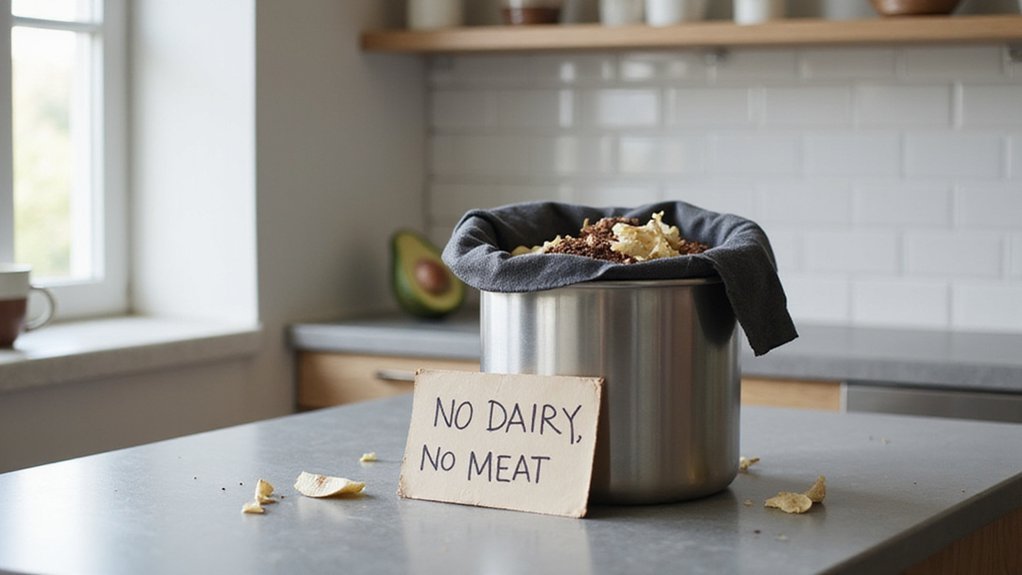
Meat, dairy, and pet waste should be entirely avoided in your compost pile because they can ruin the entire batch. Meat scraps—whether raw or cooked—emit strong, unpleasant odors as they decay, which can attract pests like rats, raccoons, and flies. Dairy products, high in fats, create water-resistant layers that block airflow and cause the compost to spoil quickly. Pet waste introduces dangerous pathogens such as E. coli and Salmonella that cannot be neutralized by standard home composting temperatures. Additionally, fats from meat and dairy turn into sticky, mushy, and slimy materials that choke off oxygen flow, making your compost pile anaerobic. This results in a stagnant, acidic mess that contaminates the final compost. The presence of these materials also shifts decay to an anaerobic state, producing foul odors like methane and hydrogen sulfide. To produce safe, rich compost, it’s best to keep these items out of your compost bin entirely. For a healthy garden, consider using a dedicated chicken coop to manage manure instead of composting it with other kitchen waste.
The Problem With Cooking Oils and Greasy Foods
Oil contamination is the main reason to avoid pouring cooking oils or greasy foods into your compost bin. Even just one teaspoon of oil per cubic foot can coat your compost materials, blocking oxygen flow and creating anaerobic pockets that produce foul odors. This slimy layer hampers decomposition by suffocating the beneficial microbes essential for breaking down organic matter. A similar principle applies to fruit leather in a food dehydrator, where moisture removal creates a preserved, concentrated product rather than a contaminated environment. For the chicken coop, using construction sand helps maintain drainage and prevents the moisture buildup that leads to such anaerobic conditions. Proper chicken coops for Silkie breeds require dry bedding to avoid similar decomposition issues, and adding coarse sand can improve floor drainage significantly.
Pest attraction is the second major issue. Greasy foods attract rodents, flies, and other unwanted pests to your compost bin. These pests can steal valuable organic material and introduce harmful bacteria such as salmonella, jeopardizing the safety of your compost and creating sanitation concerns in your garden.
If you’re considering composting small amounts of oil, limit it strictly to one teaspoon per cubic foot of compost. To mitigate contamination, absorb the oil with sawdust or shredded cardboard at a ratio of 1 part oil to 10 parts absorbent material, then mix it thoroughly into a hot compost pile kept between 140°F and 150°F. Stick to vegetable oils because animal fats like lard break down more slowly and intensify both contamination and pest attraction risks.
Keep Diseased Plants and Invasive Weeds Out of the Bin
Always bag diseased or invasive plants separately from healthy garden waste. Seal infected material securely in plastic bags before disposal to prevent the spread of pests or pathogens. Dispose of these bags through your local municipal waste system, as many areas prohibit composting or discarding infected material in the compost bin. Whenever possible, burn infected plants in authorized areas, which helps destroy any remaining spores or seeds. For plants that are uncertain or suspicious, it’s safest to leave them out of the compost and bin entirely. By keeping all diseased and invasive material out of your garden waste system, you reduce the risk of contaminating your entire garden or local ecosystem. Using a soil thermometer can help you monitor pile temperatures to ensure proper hot composting, which may kill some pathogens.
Plastics, Glass, and Metals Won’t Break Down: So Don’t Add Them
Plastics, glass, and metals won’t break down in your compost pile and should be kept out completely. Plastics can persist for hundreds of years, breaking into tiny microplastics that contaminate your finished compost—these microplastics are nearly impossible to remove. Even biodegradable plastic bags often degrade improperly, leaving behind residues that can harm your soil. Glass shards are dangerous because they create safety risks for you and workers if broken, plus they stay visible in your soil for a long time. You cannot process glass jars or bottles at home or at municipal compost facilities, as they require specialized recycling methods. Metals like cans, foil, and twist ties do not decompose; instead, they settle in your pile, potentially damaging compost equipment like screens and shredders. Since none of these materials release nutrients, they only contaminate or damage your compost. If your load contains any of these items, it will likely be rejected and sent to landfill disposal. Always keep plastics, glass, and metals out of your compost bin to ensure healthy, uncontaminated compost. For healthy plants, choosing the best soil for your garden is just as important as avoiding contaminants. For safe home canning, a pressure canner is essential for processing low-acid foods. Using vacuum sealer bags for storage is a separate process that ensures food stays fresh longer.
Why Treated Wood and Coated Paper Belong in the Trash
Treated wood and coated paper should always go in the trash, not your compost. Treated wood, such as pressure-treated lumber, contains chemicals like arsenic, copper, and chromium that do not break down naturally. These metals can persist in soil for decades, leaching into groundwater and harming beneficial microbes essential for healthy compost. Adding treated wood to your compost pollutes the finished soil and can damage your garden plants.
Coated paper—including glossy magazines, cereal boxes, and plastic-lined coffee cups—also belongs in the trash. Its coatings often contain plastic layers, heavy metals like lead and cadmium, and synthetic resins. These materials do not biodegrade and instead shed microplastics and toxic residues into your compost pile. Additionally, particle board and medium-density fiberboard (MDF) are made with resins that release formaldehyde gas and won’t break down. To keep your compost healthy, stick with untreated wood scraps and plain newsprint instead, ensuring your garden remains free of contaminants.
Never Add Diapers, Sanitary Products, or Charcoal Ash
Never add diapers, sanitary products, or charcoal ash to your compost bin. Diapers contain bodily fluids that carry pathogens and are lined with non-biodegradable plastic, which does not break down in home composts. This can attract pests like rodents and flies and may introduce harmful bacteria into your soil. Sanitary products often contain synthetic fibers and plastic coatings that resist natural decomposition, resulting in microplastic contamination and unwanted insect activity. Charcoal ash from briquettes includes petrochemical additives and heavy metals, which can poison soil microbes and disrupt the microbial balance crucial for healthy compost. These items also produce foul odors, disturb the carbon-to-nitrogen ratio, and hinder proper aeration, defeating the purpose of composting. Keep in mind that municipal compost guidelines typically prohibit these materials as well—stick to organic waste only. For example, roosting bars should be placed at a height that allows chickens to perch comfortably, but this has nothing to do with compost.
Why Compostable Plastics Need Industrial Facilities (Not Your Bin)
Industrial composting facilities create the precise conditions necessary for compostable plastics to break down efficiently. They maintain controlled moisture levels between 40 and 60 percent and ensure adequate oxygen flow. These conditions support thermophilic bacteria that accelerate hydrolysis and biodegradation. In a typical backyard or municipal compost bin, these exact parameters are impossible to sustain. Without proper temperature, moisture, and oxygen control, the compostable plastics remain inert and do not degrade as intended. Instead, they can persist in the soil for a long time, risking contamination of the compost. Therefore, tossing PLA forks or similar items into your home compost bin won’t ensure they break down properly—they need the specialized environment of an industrial composting facility. For a successful garden, selecting a raised bed garden with the right depth and material is crucial for healthy plant growth. For green beans, a pressure canner for green beans is essential for safe home preservation, but compostable plastics require a different kind of specialized equipment. Unlike wood ducks that thrive in a carefully chosen nesting box, compostable plastics simply cannot function without a precise industrial environment.
The Hidden Risk of Adding Seed-Bearing Weeds
Adding seed-bearing weeds to your compost bin can lead to ongoing weed problems in your garden. Many weeds produce seed heads that remain viable unless they reach high compost temperatures. Cool composting methods often stay below 140°F, which is insufficient to kill common weed seeds like thistle, dock, or chickweed. These dormant seeds can survive until you spread the finished compost, reintroducing weeds into your garden beds. For annual weeds such as pigweed, maintaining compost temperatures at 140°F for three days or higher is necessary to kill the seeds. Some species may require even higher temperatures, like 145°F, sustained for a month. To prevent this, always remove seed heads from weeds before adding them to your compost. Alternatively, solarize weeds by sealing them in black plastic bags for several days to inactivate the seeds. For achieving the necessary heat, a solar heater for chicken coop can also help maintain consistent temperatures for composting. To maintain a healthy compost system, consider also how proper nesting box placement supports your flock. Preventing seed germination now saves you from dealing with weed spread later. For raised garden beds, using a drip irrigation system helps deliver consistent moisture without wetting weed seeds.
Fresh Manure From Medicated Animals Is a Bad Idea
Fresh manure from medicated animals is a poor choice for composting. The antibiotics and drug residues in medicated manure can contaminate your soil and crops. They kill beneficial soil microbes essential for nutrient cycling, disrupting soil health. These residues can also concentrate and persist even after composting, leading to the transfer of resistant bacteria like MRSA to your vegetables. Standard hot composting does not reliably break down these drugs. Extended curing periods of several months are necessary but still carry risks. Additionally, manure from pets and pigs can carry parasites such as Toxoplasma. Even when packing salads, be sure to avoid cross-contamination from garden tools used near treated manure, just as you would choose the best mason jars for storing your harvest. It’s best to exclude medicated manure entirely from your compost pile. Remember, your compost bin is not a veterinary waste treatment facility for pharmaceuticals.
Stop Tossing These Oily Baked Goods and Cooked Grains
Oily baked goods and cooked grains should not go into your compost bin because they disrupt the decomposition process and attract pests. Donuts, muffins, and cookies contain high levels of fats, sugars, and salts that draw rodents and flies. Cooked grains like pasta or rice, especially with sauces, can harbor bacteria and slow down breakdown. Their oils and high salt content resist microbial activity, which hampers composting. Additionally, large quantities of oily baked items can compact and block airflow in the pile, leading to foul, anaerobic conditions. Fats in these items coat organic matter, impeding microbes and reducing compost quality. To compost small amounts of these items, bury them deep in a hot compost pile and mix with dry leaves to help control odors and boost aeration. Using a vacuum sealer designed for homesteaders to preserve food quality can reduce the amount of spoiled leftovers you need to compost in the first place. Using a chicken coop door design that provides easy access to the pile can help you manage buried layers more efficiently. For context, building a cedar raised garden bed is an excellent way to manage your compost material in a contained, well-draining space.