How Deep Should a Raised Bed Garden Be?
Wondering how deep your raised bed garden should be? The right depth can make a big difference in how well your vegetables grow.
For most veggies, 12 inches of soil hits the sweet spot, balancing roots’ needs with soil use. Keep reading to see why the depth matters and how to choose the best size for your garden.
Why 6 to 12 Inches Is the Best Raised Bed Depth for Most Gardeners
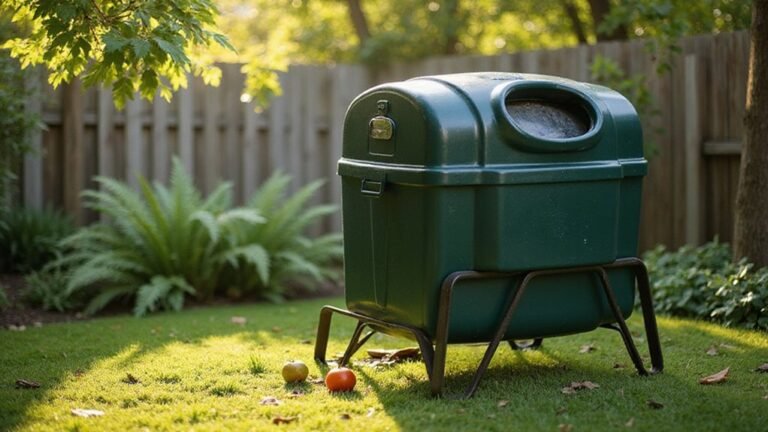
A depth of 6 to 12 inches is the ideal raised bed size for most gardeners. This range provides enough space for roots to access nutrients and oxygen without adding unnecessary material costs. At 6 inches, leafy greens like lettuce and spinach thrive because they don’t require deep soil. Extending to 12 inches supports fruiting vegetables such as tomatoes and peppers by giving roots ample room to grow. Soil at this depth retains moisture more effectively than shallower beds, making watering easier and more consistent. It also drains well, reducing the risk of waterlogging and root rot. Additionally, a 12-inch depth helps prevent soil compaction over time and encourages healthy root development. Incorporating a compost bin nearby allows gardeners to enrich the soil with organic matter, improving nutrient availability for deeper-rooted plants. For gardeners who also keep chickens, a raised bed’s depth pairs well with secure coop features to protect plants from scratching and dust bathing. Overall, this moderate depth balances plant needs, ease of work, and budget considerations for most garden setups. Deeper soil acts as a climate buffer protecting roots from extreme heat fluctuations that can damage shallow-rooted plants. To efficiently fill and maintain the bed, consider using a rain diverter to channel roof runoff directly into your watering system.
The Minimum Raised Bed Depth for Shallow-Rooted Crops
For shallow-rooted crops like lettuce, spinach, and radishes, a minimum bed depth of 6 inches is required. This depth provides enough space for roots to develop while minimizing excess soil. However, opting for an 8-inch depth offers a safer margin for healthier root growth and improved soil aeration. If you’re planning to plant different types together, such as herbs alongside leafy greens, 8 inches ensures each plant has room to thrive without competing for space. While 6 inches can support tiny root systems, increasing to 8 inches helps promote more vigorous growth and reduces the risk of root congestion. Even with an 8-inch bed, usable root depth can be reduced by compacted native soil underneath. Always remember, deeper beds give your crops a better environment overall, fostering stronger, more resilient plants. To ensure optimal conditions, consider that wood duck boxes require careful placement similar to how raised beds need proper depth for root health.
When Should You Go for 12 to 18 Inches?
12 to 18 inches is the ideal depth when building garden beds for most vegetables. This range provides enough space for roots to grow deeply and access nutrients efficiently. Crops like tomatoes, peppers, beans, and cucumbers benefit from this depth because their roots can spread out freely, leading to healthier plants and higher yields. Root vegetables such as carrots and potatoes also require at least 12 inches to develop properly and form the desired shapes. When choosing a design, reviewing top raised bed options can help ensure you select a durable and well-reviewed model. Deeper beds at this depth make soil improvement easier since you can incorporate compost and amendments more thoroughly. They also help retain moisture longer, reducing the frequency of watering needed. This soil volume prevents nutrient deficiencies and root binding, which can impair plant growth. Overall, 12 to 18 inches offers a balanced mix of ample space and manageable cost, making it an efficient choice for most backyard vegetable gardens. Similarly, determining the right height for roosting bars is crucial for poultry comfort and safety. Comparing different garden layouts can further guide your selection based on available space and planting goals.
Do You Really Need a 24-Inch Raised Bed Depth for Tomatoes?
A 24-inch raised bed depth is ideal for indeterminate tomato varieties. These plants produce continuous, vigorous growth and require more root space to access water and nutrients effectively. In a bed this deep, you can incorporate ample soil amendments like compost at deeper levels, promoting healthier roots and sustained growth throughout the season. Using top compost bins with pallets can help you produce nutrient-rich organic material for these deep soil amendments. The additional depth also helps reduce watering frequency and keeps plants less stressed, which can lower the risk of common issues such as blossom-end rot and fungal diseases. To ensure a durable container, look for mason jar sealers that offer airtight performance for preserving your harvest. Skimping on depth for indeterminate tomatoes can lead to decreased yields and more maintenance, so opting for a full 24 inches ensures stronger growth and better harvests. When selecting your frame, it is worth comparing the best options by choosing the perfect frame to support this deep soil column.
How Your Surface Type Changes the Raised Bed Depth You Need
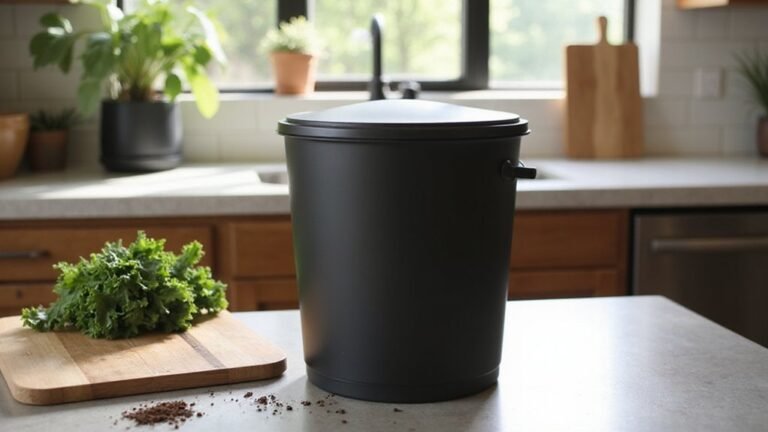
Your surface type determines the required raised bed depth because it affects drainage and root access. If you’re placing your bed on concrete or gravel, you’ll need a minimum of 16 inches, but 24 inches is recommended for better drainage and root growth. Without native soil below, you must compensate for limited root space and poor drainage. Use lighter, well-draining soil to prevent waterlogging, and adjust your irrigation to account for the lack of natural percolation downward. For these hard-surface setups, selecting coop insulation with proper moisture resistance can also help manage humidity around your garden area. Many experts recommend a total height of 24 inches for concrete or gravel surfaces to support adequate root development and reduce temperature fluctuations. Using a top compost tumbler can help you efficiently recycle kitchen scraps into nutrient-rich soil for these raised beds.
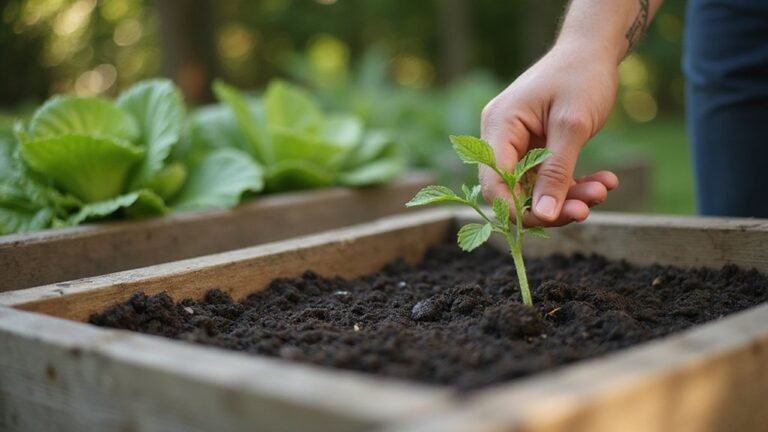
On natural soil, a depth of just 10 to 12 inches is usually sufficient, as the ground below allows roots to expand and water to drain naturally. Shallow-rooted crops like lettuce or radishes thrive at 6 to 8 inches of soil depth, but a total of 12 to 18 inches is still advisable for healthy growth. For deep-rooted plants such as corn or squash, a depth of 24 to 36 inches is necessary regardless of surface type. An 18-inch depth often balances both shallow and deep root needs for mixed planting.
What Happens When You Don’t Dig Deep Enough?
When you don’t dig deep enough, your raised bed garden will encounter a series of problems that stunt plant growth. Most vegetables need at least 12 to 18 inches of soil to establish strong roots. Shallow beds under 8 inches force roots to stay confined, limiting their ability to spread and absorb nutrients. This restriction results in smaller, weaker plants with poor overall health. Compact and poorly aerated soil becomes a major issue in shallow beds, choking roots and reducing oxygen flow vital for root respiration. Roots require about 1 ft of depth for optimal growth, making shallow beds especially problematic. Your soil’s organic matter and nutrients also deplete faster because limited soil volume can’t hold onto compost benefits. Nutrient lockout occurs as essential minerals become trapped, making them unavailable to plants. Water management becomes more challenging since shallow soil dries out quickly, requiring you to irrigate two to three times more often. Frequent watering increases the risk of overwatering and root rot, which further damages plants. Overall, the yield from shallow raised beds can drop as much as 40 percent compared to depths of 18 inches.
The 3 Symptoms of a Bed That’s Too Shallow
A raised bed less than 10 inches deep will show three clear symptoms that it’s too shallow. First, you’ll notice root confinement. Plants like carrots will curl upward, peppers struggle to anchor properly, and tomatoes tend to stay within the top 2 inches of soil. Shallow roots also make plants more unstable and vulnerable to wind damage, which can triple in beds under 10 inches deep. To mitigate this, proactively add fresh soil or compost before planting to compensate for soil level decrease caused by breakdown and settling.
Second, drought stress becomes a significant problem. Beds shallower than 10 inches dry out 2.5 times faster than those that are 12 inches deep. This rapid moisture loss means you’ll need to water about three times a week. The frequent drying, combined with the re-wetting cycles, leads to soil becoming compacted, which further reduces water retention and root growth.
Third, nutrient deficiency is common in shallow beds. When the soil is less than 8 inches deep, plants’ nitrogen uptake drops by around 35 percent. Organic matter struggles to accumulate, and soil microbes become less active. As a result, leafy greens may show signs of iron deficiency, and overall crop yields decline—tomato harvests can decrease by as much as 50 percent, and root vegetables often remain stunted.
Match Depth to Your Garden Goals and Effort Level
Matching your garden goals with the right raised bed depth ensures easier maintenance and healthier plants. For leafy greens and low-effort gardening, a 6-inch depth is sufficient. It requires less soil, lowering costs and making watering and planting simpler, though you’ll need to refresh soil amendments more frequently to keep nutrients balanced. A food dehydrator can be used to preserve your leafy green harvest by making fruit and vegetable leathers. Consider locating your garden in a spot that balances convenience and sunlight to maximize success. For these shallow beds, a 2 gallon watering can provides a manageable and efficient way to water without over-saturating the limited soil volume.
Root crops such as carrots and onions benefit from a 12-inch bed. This depth provides enough space for roots to expand comfortably while making it easier to manage pests since issues near the surface are visible. You’ll put in moderate effort for installation and maintenance but gain better crop growth.
For fruiting plants like tomatoes or squash, an 18-inch depth offers stability for deep roots and helps maintain consistent soil temperatures. This requires more effort during setup, but the increased space promotes healthy growth and reduces stress on plants.
If accessibility is a priority, a 24-inch bed minimizes bending and makes tending and pest control much easier. It’s ideal if you or your helpers have mobility limitations or prefer less physical strain. Matching your bed depth to your specific needs will save time and energy while supporting a thriving garden.
The One Depth That Covers Almost Every Vegetable You’ll Grow
The ideal depth for most vegetable planting beds is 18 inches. This depth provides enough space for a wide variety of vegetables, including leafy greens like lettuce, root crops such as carrots, and fruiting varieties like peppers and cucumbers. It supports crops like broccoli, kale, and beans without needing extra soil or complicated amendments. An 18-inch depth strikes a good balance between providing sufficient nutrients and moisture retention while avoiding excessive use of materials. It also makes crop rotation easier and allows you to install mesh covers or trellises without feeling cramped. While plants with deeper roots, such as tomatoes or squash, benefit from a depth of 24 inches or more, 18 inches is generally the smart, versatile choice for most vegetable beds. Adding a top-rated compost bin can help you generate nutrient-rich soil to maintain this depth effectively. Using a soil thermometer helps confirm that your bed’s moisture and temperature are optimal at this depth. For homesteaders, this depth also makes it simpler to install mesh covers or trellises for vertical growing and pest protection.