How Tall Should a Raised Garden Bed Be?
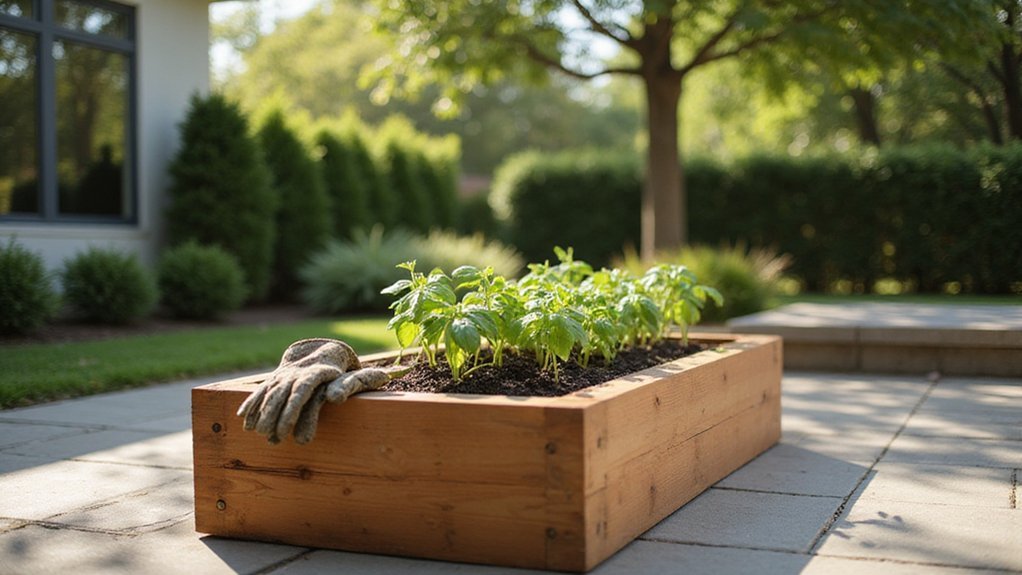
Wondering how tall your raised garden bed should be? The right height depends on what you’re growing and how much comfort you need.
For most gardeners, 16 to 18 inches strikes a good balance, but options range from shallow beds for greens to taller ones that make gardening easier on your back.
Keep reading to find the best height for your garden.
What’s the Best Raised Bed Height for Your Plants?
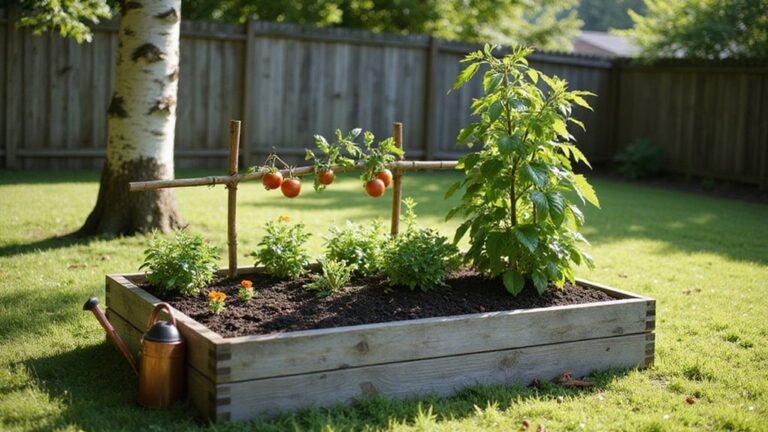
A raised bed height of 16 to 18 inches is ideal for most mixed plantings. This depth provides enough space for roots to grow comfortably, which enhances Soil Fertility by allowing roots to access a greater volume of nutrients. It also simplifies Plant Spacing because you can grow a variety of plants such as lettuces, root crops, and tomatoes together without crowding each other. For leafy greens and herbs, a shallower height of 6 to 12 inches usually suffices, supporting plants like basil, spinach, and arugula. Deep-rooting plants like chives require around 10 inches, while root crops such as carrots and beets need at least 12 inches to grow properly without deforming or stunting. Fruiting plants like tomatoes demand a height of 15 to 18 inches for proper anchoring and to prevent toppling under heavy yields. Choosing the right height for your raised bed ensures healthy root development and easier maintenance. This depth also allows for layering of organic material to build Soil Fertility in a process similar to pressure canning’s retention of nutritional value. For reliable power for electric fencing, a solar charger with a continuous power output can maintain the fence’s charge to keep poultry secure. For those also keeping poultry, a taller bed integrates well with a secure chicken coop to protect both plants and birds.
How Raised Bed Height Affects Your Back and Knees
A height of 24 to 30 inches is ideal for most gardeners, as it minimizes bending and reduces strain on your back and knees. Counter-height beds, generally around 24 inches, allow you to work while standing upright, which is especially helpful during long gardening sessions. If you prefer minimal bending, aim for a bed height of about 28 inches for the best balance for an average adult. For seniors or those with mobility challenges, raising the bed to 30 or even 36 inches can eliminate the need to stoop, making gardening much more comfortable. Wheelchair users should consider beds approximately 30 inches tall with a depth under 24 inches for easy reach without overextending. This design principle is similar to the careful consideration of optimal roosting bar placement, which also prioritizes comfort and accessibility for the user. This height not only supports better posture but also protects your knees and hips by removing the necessity to kneel or bend awkwardly. An elevated position between 24 and 36 inches reduces joint strain and prevents symptom aggravation for many gardeners. While soil quality and planting depth remain important, an ergonomic bed height allows you to garden longer without discomfort or pain. Just as nesting boxes for wood ducks are designed with specific entrance dimensions to ensure proper use and comfort for the birds, your raised bed height should be tailored to your physical needs for optimal ergonomic benefit. Choosing a compost bin of a similar comfortable height can further streamline your gardening workflow by keeping all tasks at an accessible level.
Do You Need Extra Height for Pest Control and Drainage?
A height of 18 to 24 inches is ideal for pest control and drainage. At this height, tall walls create a physical barrier that helps keep ground pests like slugs and rodents away from your plants. The extra elevation also promotes better drainage, as gravity pulls water away from roots more effectively, preventing waterlogged soil during heavy rains. Additionally, this height helps regulate soil temperature—keeping it warmer in early spring and cooler during heat waves—while reducing excess moisture that can attract pests. For even greater protection, consider building beds up to 24 inches high, as they further disrupt pest movement and keep soil well-aerated and healthy. Maintaining precise temperature control is just as critical for successful hatching in an egg incubator, ensuring consistent development of embryos. Using a dedicated dehydrator ensures herbs are dried at consistent low temperatures to preserve flavor and avoid mold. For a detailed comparison of top options, see our guide on the best cover for raised garden beds.
11-Inch vs. 18-Inch vs. 24-Inch: Which Raised Bed Wins?
An 18-inch raised bed offers the best balance for most gardeners. It comfortably fits crops like tomatoes and peppers, which have deeper roots, and reduces the need to bend over for planting and harvesting. This height also provides better moisture retention, helping plants stay hydrated during dry spells. While it requires more soil and slightly stronger framing, the increased planting flexibility and ergonomic comfort often make it worth the extra cost. If you’re working with limited space or budget, an 11-inch bed works well for shallow-rooted plants like herbs and lettuce, especially over existing soil. For deep-rooted crops such as asparagus or if wheelchair access is a priority, a 24-inch bed is optimal, though it demands more soil, stronger materials, and higher initial investment. Choosing the correct bed depth sizing ensures compatibility with both root systems and structural framing requirements. Consider that many backyard chicken keepers use supplemental heating to protect their flock during extreme cold, much like gardeners adjust bed height. Choose the height that best aligns with your gardening goals and physical needs. To prevent burrowing pests from entering the bed, attach a layer of hardware cloth to the bottom before adding soil.
Should You Go With a 30-Inch or Taller Raised Bed?
A 30-inch or taller raised bed offers several key benefits, especially for ease of access and plant health. This height raises the planting surface to standing level, helping you avoid bending and kneeling during gardening tasks. It’s particularly suited for seniors, people with back issues, or wheelchair users, with accessibility starting at about 27 inches. Additionally, these clearly defined beds guide hoses and reduce accidental plant damage during watering or garden maintenance. For a reliable option, consider reviews that compare top raised garden beds on quality and value.
Deeper soil in taller beds improves drainage, retains moisture better, and supports root crops like tomatoes or asparagus. With a soil depth of 24 inches or more, you reduce root stress and help moderate temperature fluctuations. The increased height also acts as a deterrent for pests such as rabbits and ground-dwelling insects. Choosing a thicker lumber for the frame is essential to handle the soil load in these tall structures. Following a step-by-step build guide ensures your frame is sturdy enough for these added demands.
Keep in mind that taller raised beds require more durable materials, such as thicker lumber or steel, to adequately support the weight of the soil. Additionally, their visual appeal can give your garden a neat, structured look, and taller beds can even serve as seating areas. For standing comfort, aim for 30 to 32 inches; if full wheelchair access is your goal, go for 36 inches.